
IGI and GIA Certified Diamonds With Full Traceability Documentation
Every diamond sold by Houston Diamond District comes with the certification that turns a beautiful piece of jewelry into a verified, documented investment. All lab-grown diamonds in the collection are certified by the International Gemological Institute — the world’s leading authority on lab-grown diamond grading — while natural diamonds carry GIA certification, the global standard for mined diamond authentication. Each certificate documents the stone’s exact carat weight, color grade, clarity grade, and cut quality with a level of precision that marketing language alone cannot provide. Beyond the certificate itself, every purchase includes a free certificate of authenticity, and lab-grown diamonds carry IGI certification that verifies their origin and quality parameters independently of the seller. For buyers who want to know exactly what they’re purchasing — not what the listing claims, but what a third-party expert has confirmed — Houston Diamond District’s documentation standard provides the verification that responsible diamond buying requires.
Factory-Direct Pricing That Delivers Significantly More Diamond for Your Budget
Houston Diamond District operates on a direct-to-consumer model that eliminates the retail markup layers that traditional jewelry stores build into every price tag. The gap between what a diamond costs to produce and certify and what a traditional retail jeweler charges for it — padded by storefront overhead, sales commissions, brand premiums, and multi-layer distribution margins — typically runs between forty and sixty percent of the final retail price. Houston Diamond District’s factory-direct structure removes these layers, passing the resulting savings directly to the buyer in the form of lower prices on equivalent certified diamond quality. Independent buyer verification confirms this pricing advantage: appraisals commissioned by purchasers after receiving their jewelry have consistently returned values above the purchase price, sometimes significantly so. For buyers who want the maximum certified diamond quality their budget can deliver, the Houston Diamond District pricing model produces results that retail stores at equivalent price points cannot match.
Responsive Customer Service and a Risk-Free 30-Day Return Policy
Houston Diamond District’s customer service has been specifically and repeatedly identified by verified purchasers as one of the brand’s most significant practical advantages. Multiple buyers note that questions and concerns were addressed promptly and helpfully, that shipping complications were handled proactively rather than left for the buyer to resolve independently, and that the brand’s engagement with post-purchase concerns reflects the priorities of a company building long-term customer relationships rather than processing transactions. The 30-day return policy provides the risk-free purchase condition that fine jewelry buying requires — the confidence to commit to a purchase knowing that if the piece doesn’t meet expectations in person, the return process is straightforward. For buyers navigating the significant emotional and financial weight of engagement ring and anniversary gift purchases, this combination of responsive support and documented return assurance removes the anxiety that online fine jewelry shopping can otherwise carry.
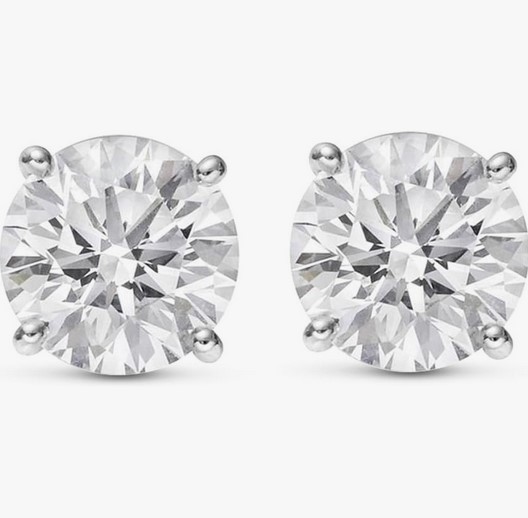
Lab Grown Diamond Stud Earrings for Women | IGI Certified 0.5–12 Carat | 14K White Gold | 4-Prong Push Back | E/F Color VS2/SI1 | Houston Diamond District
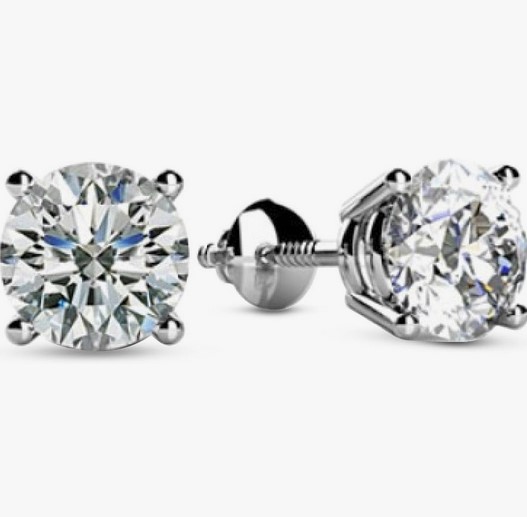
Lab Grown Diamond Stud Earrings for Women | IGI Certified 1–10 Carat | 4-Prong Screw Back | Made in USA | E-F Color VS1-VS2 | Houston Diamond District
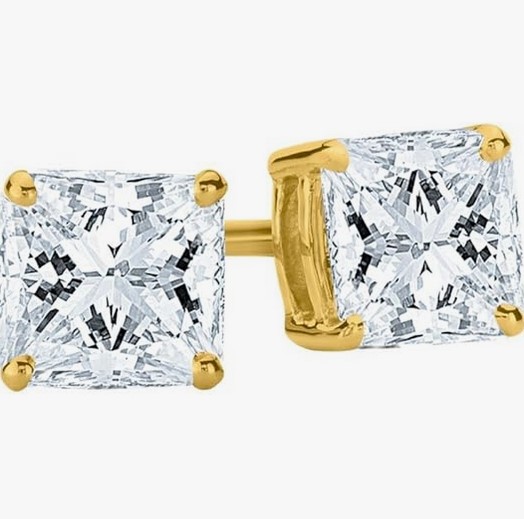
Princess Cut Lab Grown Diamond Stud Earrings | IGI Certified 0.5–10 Carat | 4-Prong Screw Back | E-F Color VS2-SI1 | Houston Diamond District
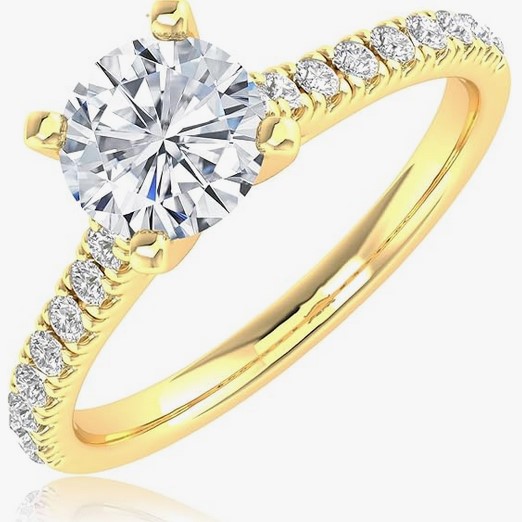
Lab Grown Solitaire Diamond Engagement Ring | Round Cut 1–6 Carat | Prong Set | Wedding Band for Women | E-F Color VS1-VS2 | Houston Diamond District
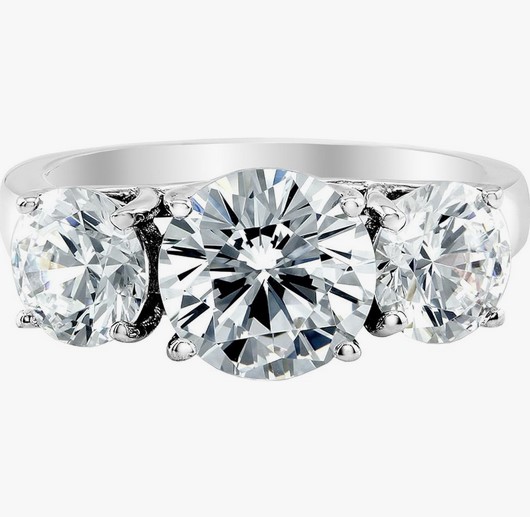
3-Stone Lab Grown Diamond Engagement Ring | IGI Certified 1–6 Carat | Round Cut | Wedding Ring for Women | D-E Color VS1-VS2 | Houston Diamond District
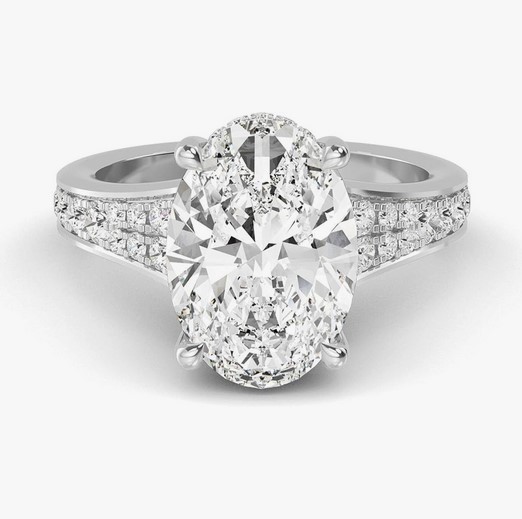
Oval Shape Lab Grown Diamond Vintage Engagement Ring 1–5 Carat | Wedding Ring for Women | D-E Color VS1-VS2 | Houston Diamond District
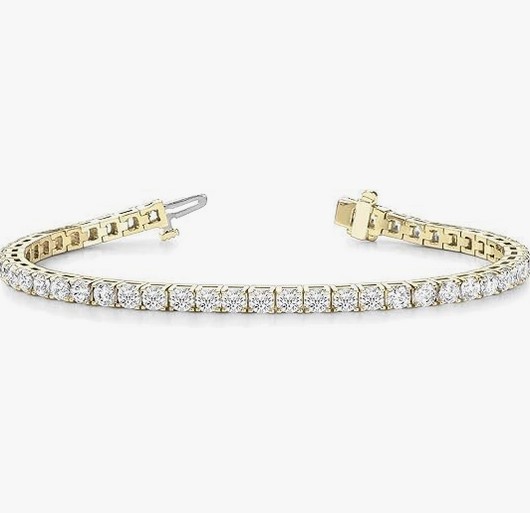
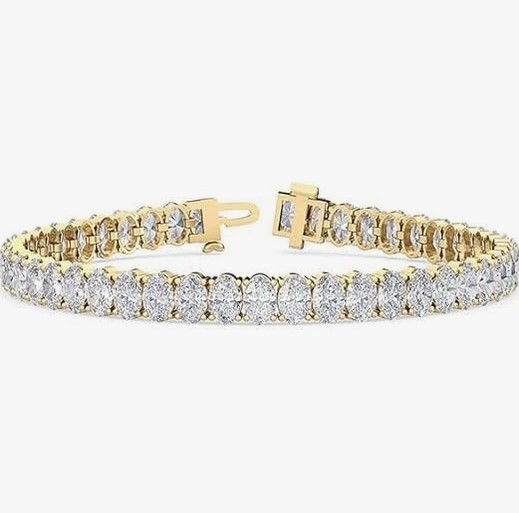
Oval Shape Lab Grown Diamond Tennis Bracelet | Classic 2–28 Carat | 4-Prong Setting for Women | E-F Color VS2-SI1 | Houston Diamond District
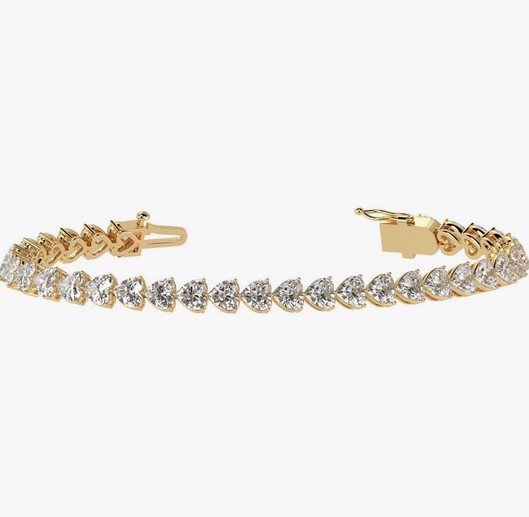
Heart Shape Lab Grown Diamond Tennis Bracelet | Classic 2–28 Carat | 4-Prong Setting for Women | E-F Color VS2-SI1 | Houston Diamond District
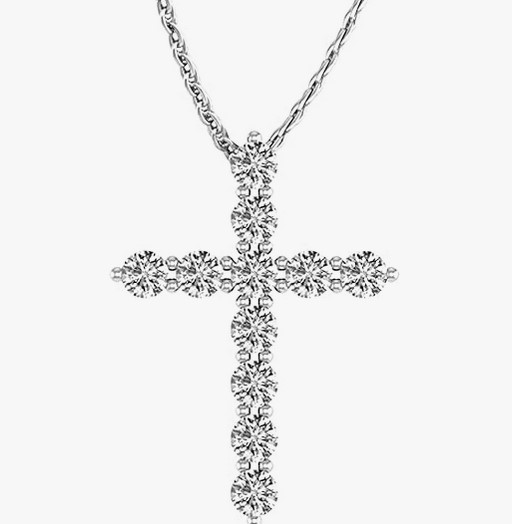
Diamond Cross Pendant Necklace | Value Collection 0.5–10 Carat | Houston Diamond District
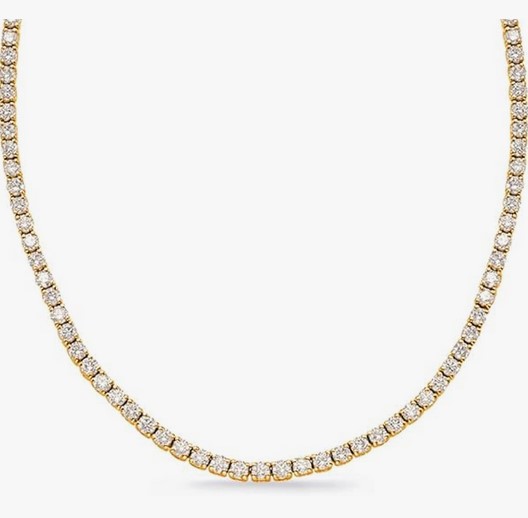
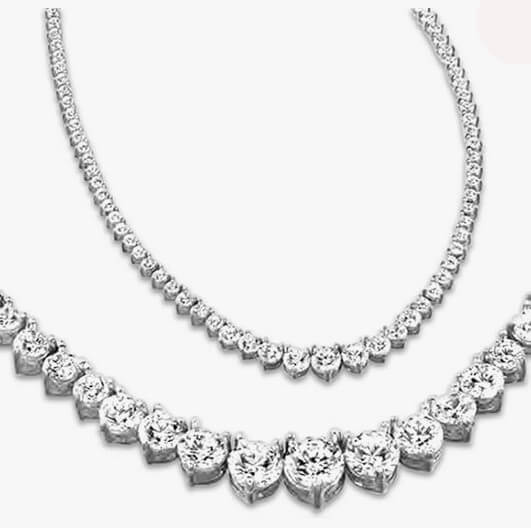
Lab Grown Diamond Tennis Riviera Necklace | Uniform Straight 3–50 Carat | 4-Prong | 17 Inch | E-F Color SI1-SI2 | Houston Diamond District
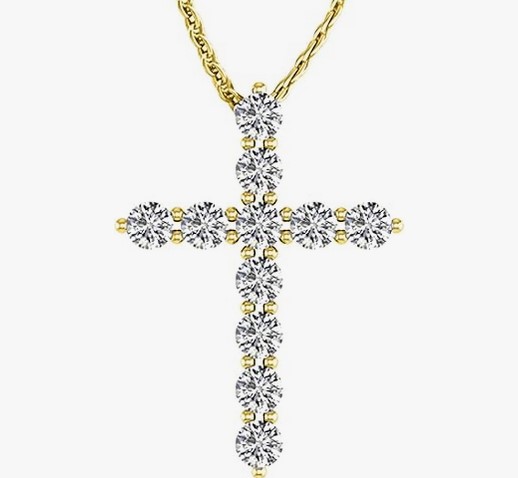
Diamond Cross Pendant Necklace | Value Collection 0.5–10 Carat | Yellow Gold | Houston Diamond District
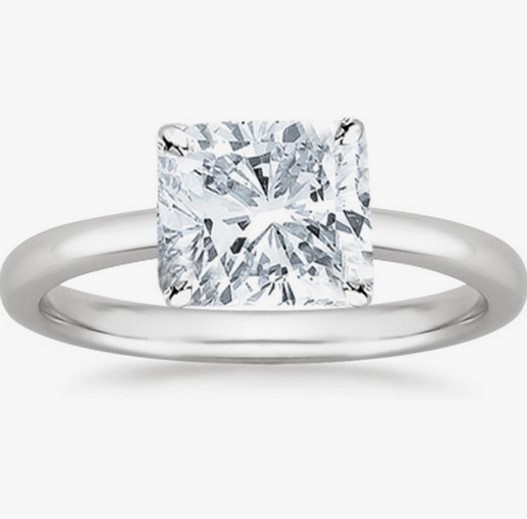
Cushion Cut Lab Grown Solitaire Engagement Ring | IGI Certified 1–5 Carat | E-F Color VS2-SI1 | Houston Diamond District
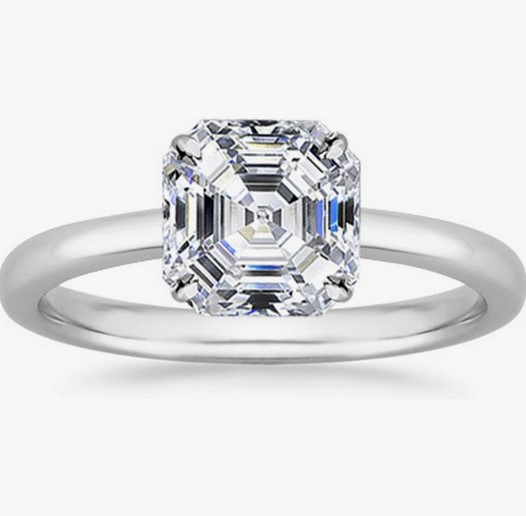
Asscher Cut Lab Grown Solitaire Engagement Ring | IGI Certified 1–5 Carat | E-F Color VS2-SI1 | Houston Diamond District
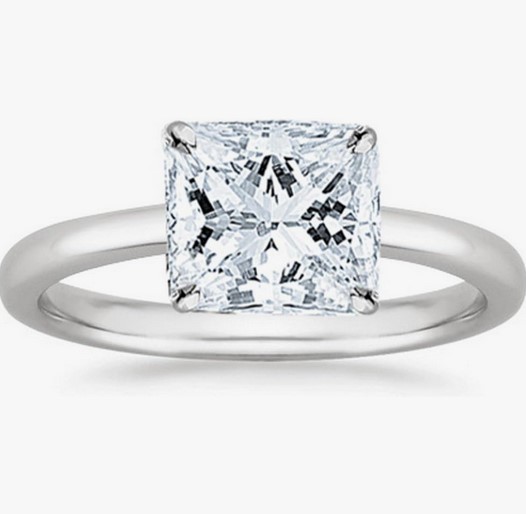
Princess Cut Lab Grown Solitaire Engagement Ring | IGI Certified 1–5 Carat | E-F Color VS2-SI1 | Houston Diamond District
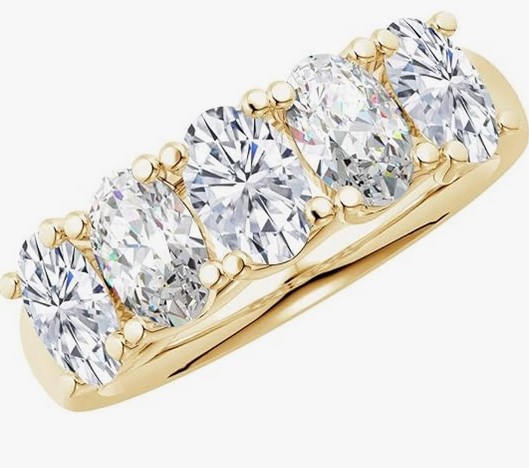
Oval Cut 5-Stone Lab Grown Diamond Stackable Ring 1–6 Carat | Wedding Anniversary Band | E-F Color VS Quality | Houston Diamond District
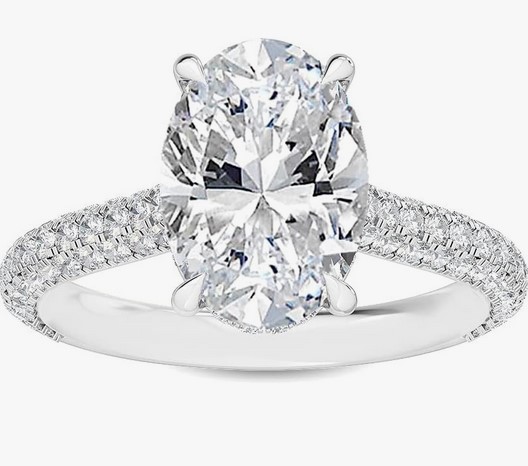
Oval & Round Cut Lab Grown Diamond Vintage Engagement Ring 1–5 Carat | Wedding Ring for Women | D-E Color VS1-VS2 | Houston Diamond District
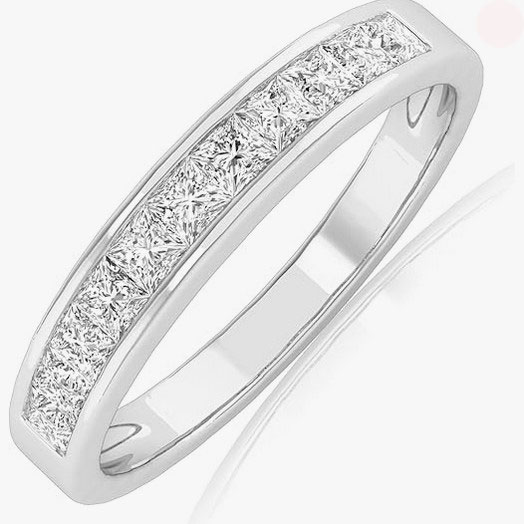
Princess Cut Lab Grown Diamond Wedding Band Ring 1–5 Carat | E-F Color VS2-SI1 | Houston Diamond District
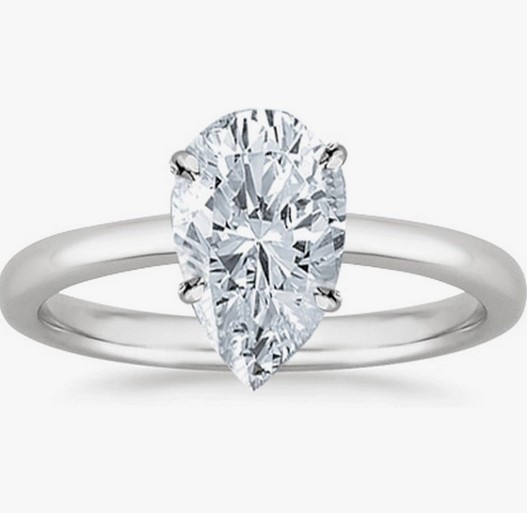
1 to 5 Carat LAB GROWN Solitaire IGI CERTIFIED Diamond Engagement Ring (E-F Color VS2-SI1 Clarity) Houston Diamond District
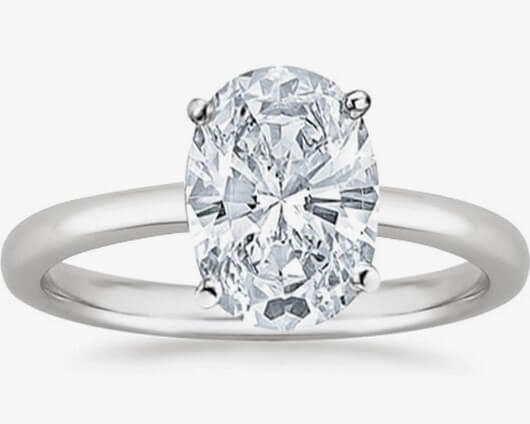
1 to 5 Carat LAB GROWN Solitaire IGI CERTIFIED Diamond Engagement Ring (E-F Color VS2-SI1 Clarity) Houston Diamond District
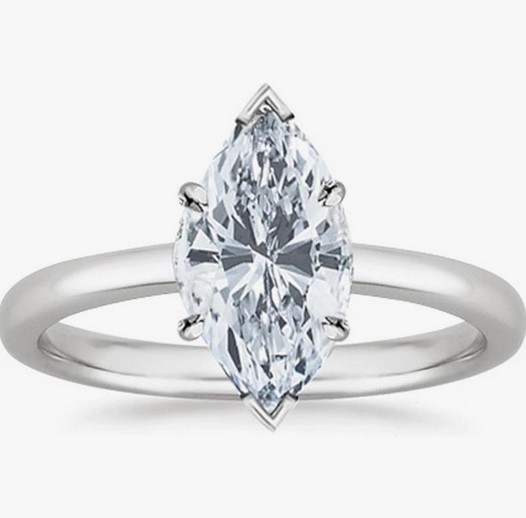
1 to 5 Carat LAB GROWN Solitaire IGI CERTIFIED Diamond Engagement Ring (E-F Color VS2-SI1 Clarity) Houston Diamond District
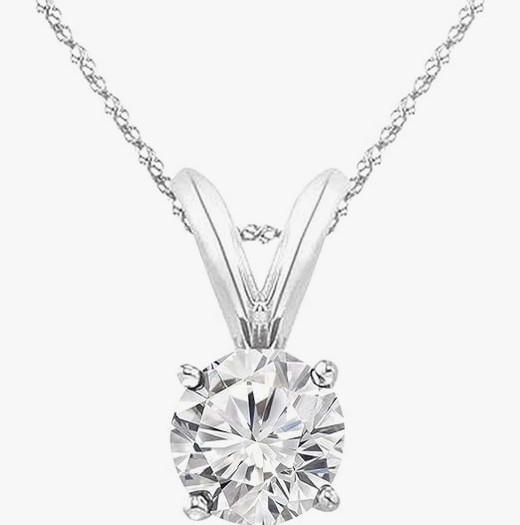
Lab Grown Diamond Solitaire Pendant Necklace | Round Cut 0.5–10 Carat | 4-Prong | White Gold | E-F Color VS | Houston Diamond District
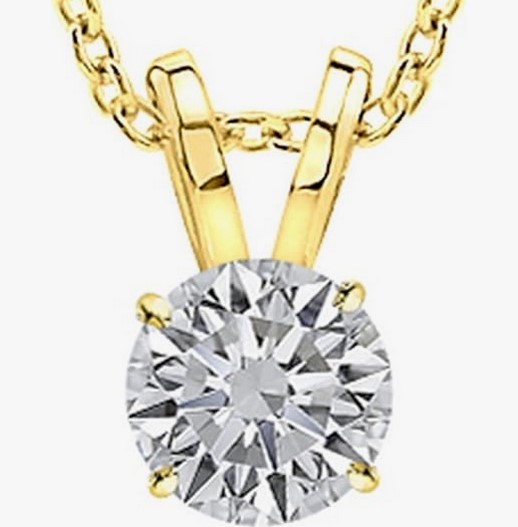
Lab Grown Diamond Solitaire Pendant Necklace | Round Cut 0.5–10 Carat | 4-Prong | Yellow Gold | E-F Color VS | Houston Diamond District
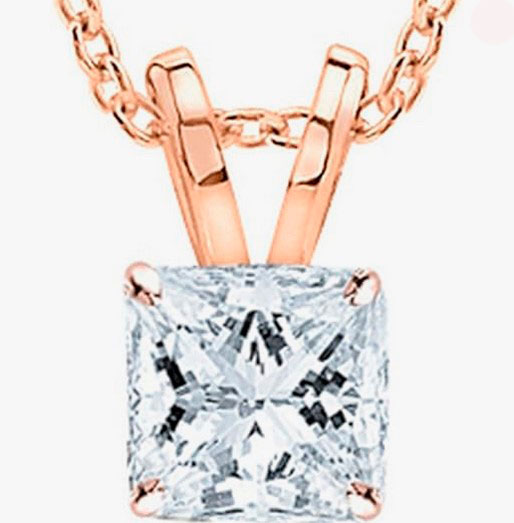
Princess Cut Lab Grown Diamond Pendant Necklace | IGI Certified 0.75–5 Carat | 4-Prong | H-I Color VS1-VS2 | Houston Diamond District
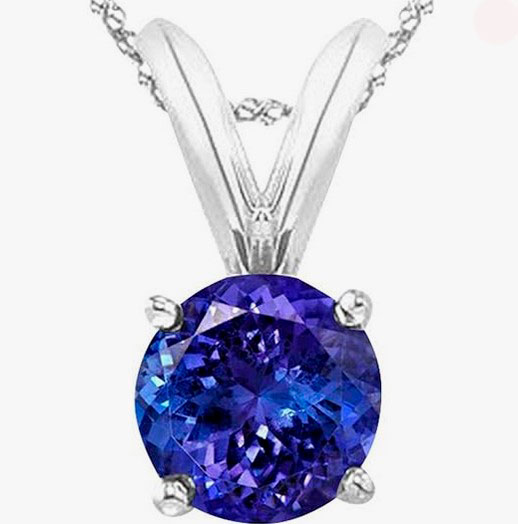
0.5 to 5 Carat Round Natural Real Tanzanite/Sapphire/Ruby/Emerald/Black/Brown/Blue Diamond Pendant Necklace AAA Quality Houston Diamond District
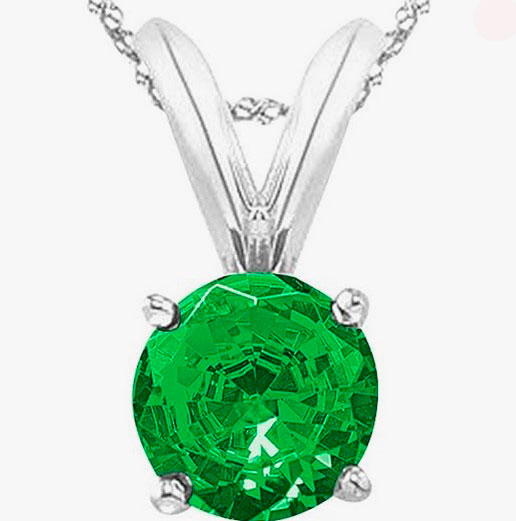
0.5 to 5 Carat Round Natural Real Tanzanite/Sapphire/Ruby/Emerald/Black/Brown/Blue Diamond Pendant Necklace AAA Quality Houston Diamond District
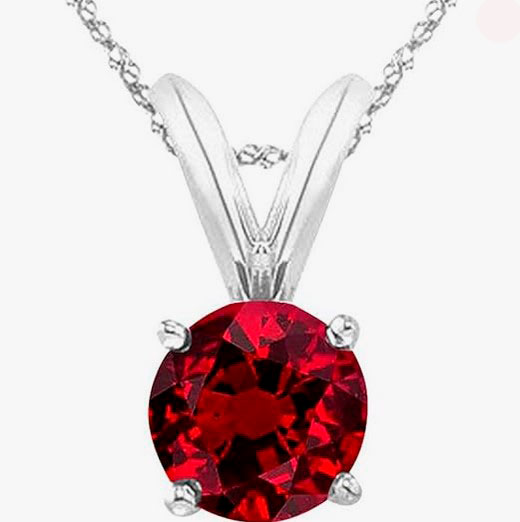
0.5 to 5 Carat Round Natural Real Tanzanite/Sapphire/Ruby/Emerald/Black/Brown/Blue Diamond Pendant Necklace AAA Quality Houston Diamond District
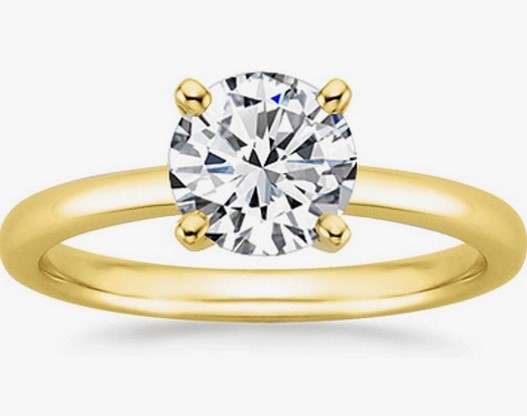
1 to 10 Carat IGI Certified Lab Grown Diamond Engagement Ring, Round Cut Solitaire, 4-Prong Setting, E–F Color VS2–SI1 Clarity Houston Diamond District
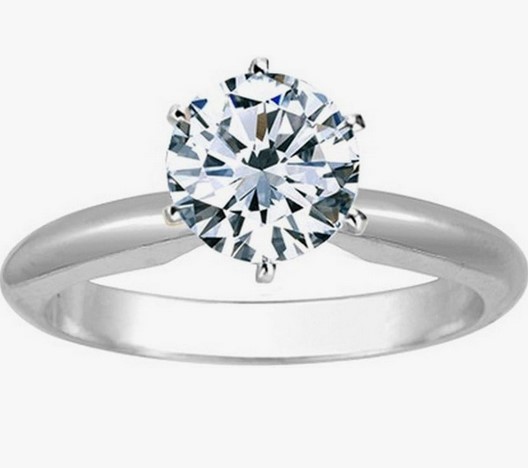
1 to 5 Carat LAB GROWN Solitaire IGI CERTIFIED Diamond Engagement Ring (E-F Color VS2-SI1 Clarity) Houston Diamond District
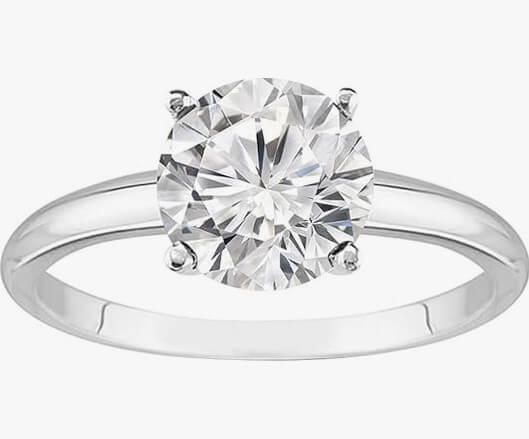
1 to 10 Carat IGI Certified Lab Grown Diamond Engagement Ring, Round Cut Solitaire, 4-Prong Setting, E–F Color VS2–SI1 Clarity Houston Diamond District
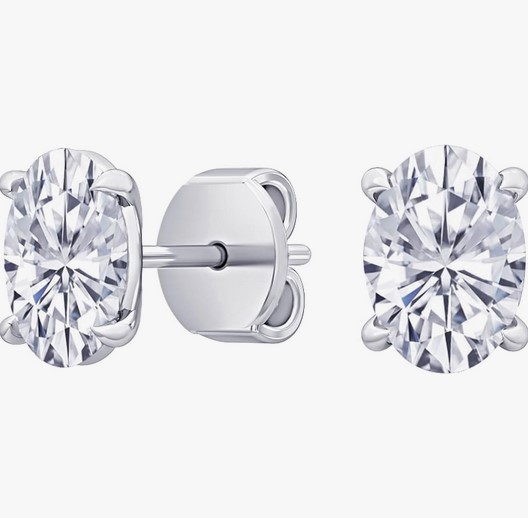
1 to 10 Carat IGI Certified LAB GROWN Diamond Stud Earrings for women 4 Prong Push Back (E/F Color VS2/SI1 CLARITY) (Oval Diamond Earrings) Houston Diamond District
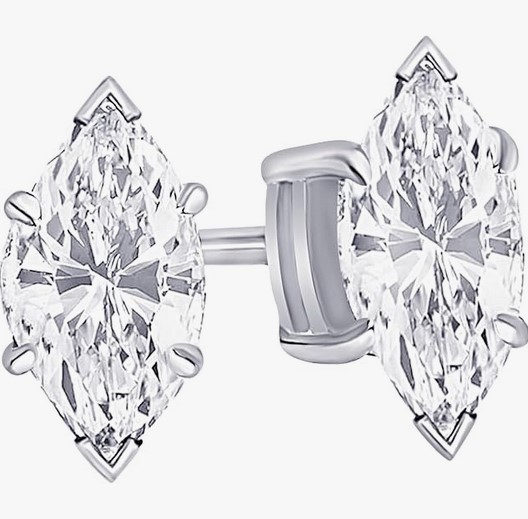
1 to 10 Carat IGI Certified LAB GROWN Diamond Stud Earrings for women 4 Prong Push Back (E/F Color VS2/SI1 CLARITY) (Marquise Diamond Earrings) Houston Diamond District
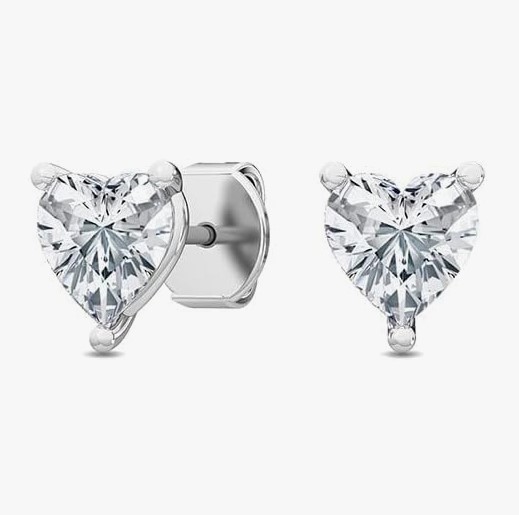
1 to 10 Carat IGI Certified LAB GROWN Diamond Stud Earrings for women 4 Prong Push Back (E/F Color VS2/SI1 CLARITY) (Heart Diamond Earrings) Houston Diamond District
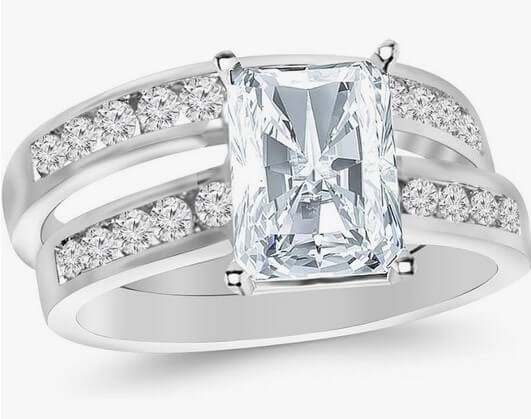
14K White Gold 1.75 Carat LAB GROWN DIAMOND Classic Channel Set Wedding Set Bridal Band & Radiant Cut Diamond Engagement Ring (E-F Color VS2-SI1 Clarity 1 Ct Center) Houston Diamond District
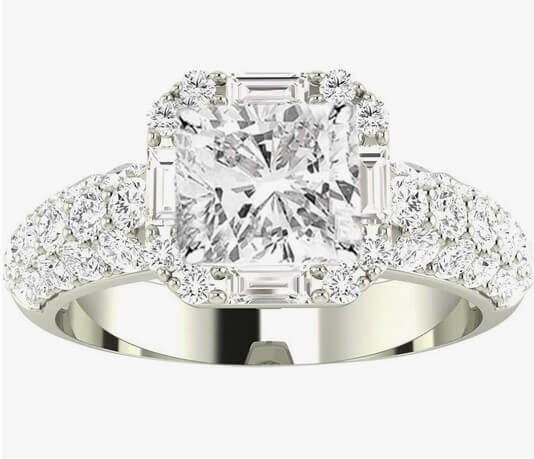
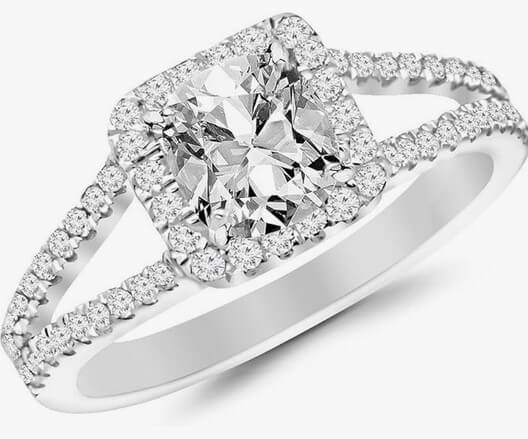
14K White Gold 1.75 Carat LAB GROWN DIAMOND Designer Popular Halo Style Baguette And Pave Set Round Cushion Cut Diamond Engagement Ring (E-F Color VS2-SI1 Clarity 1 Ct Center) Houston Diamond District
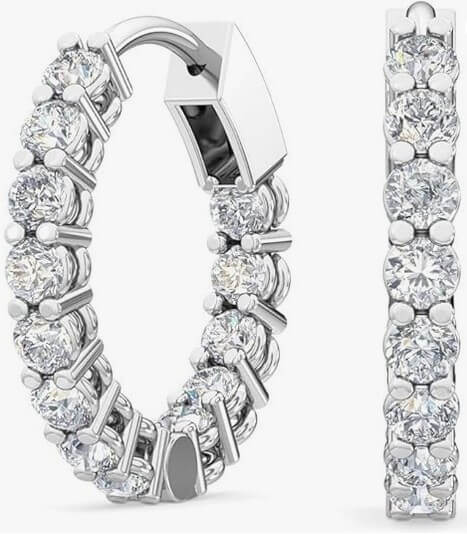
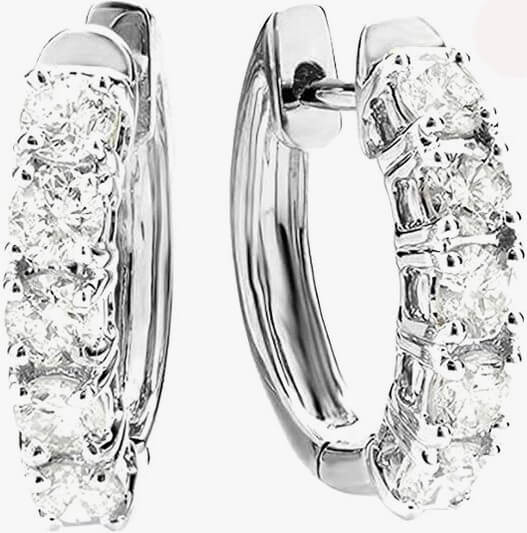
1-5 Carat (ctw) White Gold Round Cut LAB GROWN Diamond Inside Out Designer Hoops Earrings Color H-I Clarity VS1-VS2 Houston Diamond District
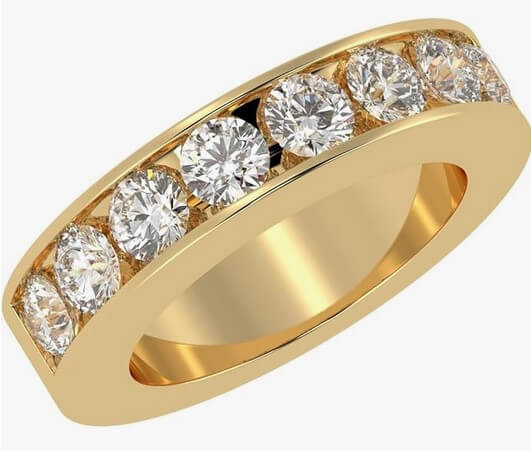
2 to 3 Carat (ctw) 14K White Gold Round Diamond Ladies Channel Set Half-Way Semi-Eternity Wedding Anniversary Stackable Ring Band Value Collection Houston Diamond District
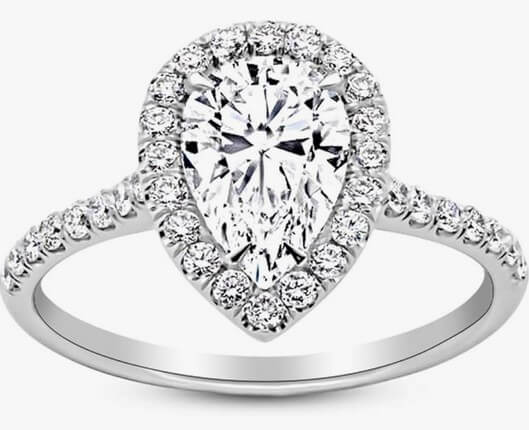
14K White Gold 2.75 Carat LAB GROWN DIAMOND Halo Pear Cut Diamond Engagement Ring (E-F Color VS2-SI1 Clarity 2 Ct Center) Houston Diamond District
14K White Gold 2.75 Carat LAB GROWN DIAMOND Halo Pear Cut Diamond Engagement Ring (E-F Color VS2-SI1 Clarity 2 Ct Center) Houston Diamond District
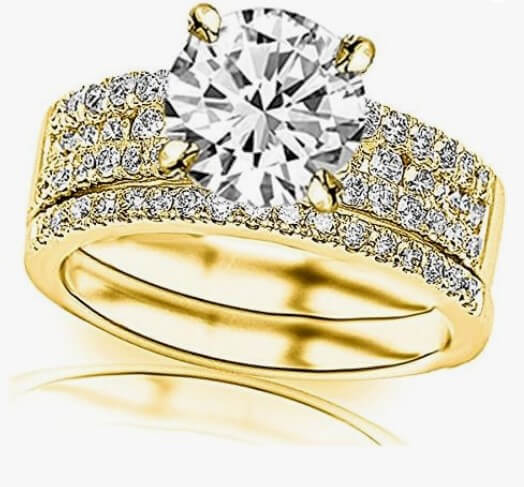
14K White Gold 2.5 to 5.5 Carat LAB GROWN DIAMOND Three Row Prong And Middle Row Channel Set Round Diamonds Engagement Ring and Wedding Band Set (D-E Color VS1-VS2 Clarity) Houston Diamond District
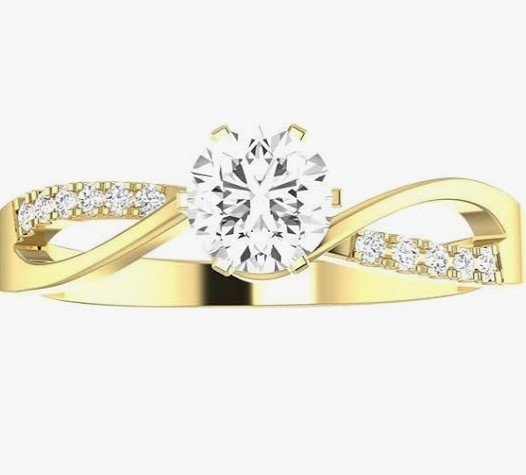
1.08 to 3.08 Carat LAB GROWN DIAMOND Elegant Twisting Split Shank Round Cut Diamond Engagement Ring (E-F Color VS1-VS2 Clarity) Houston Diamond District
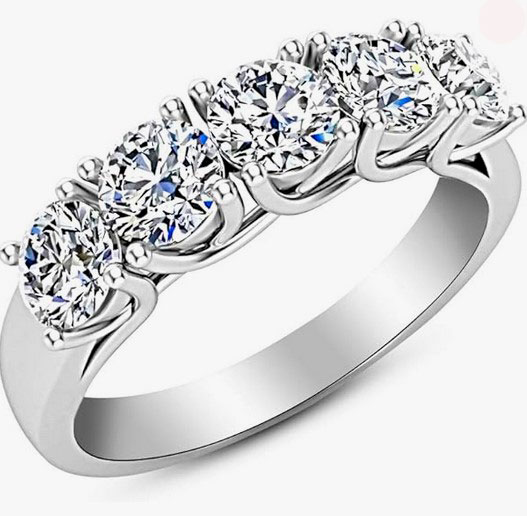
1-6 Carat Round LAB GROWN Diamond Ladies 5 Five Stone Wedding Anniversary Stackable Ring Band (E-F Color VS2-SI1 Clarity) Houston Diamond District
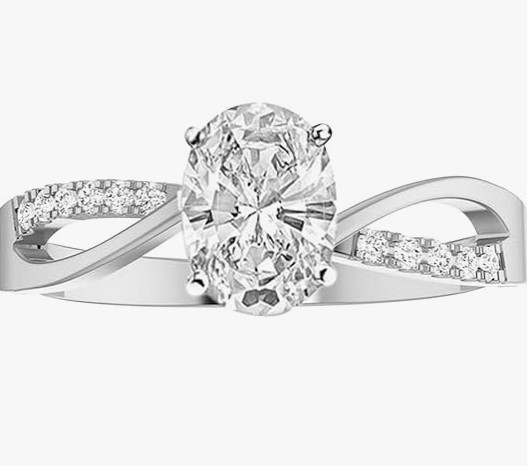
14K White Gold 2.08 Carat LAB GROWN DIAMOND Elegant Twisting Split Shank Oval Cut Diamond Engagement Ring (E-F Color VS2-SI1 Clarity 2 Ct Center) Houston Diamond District
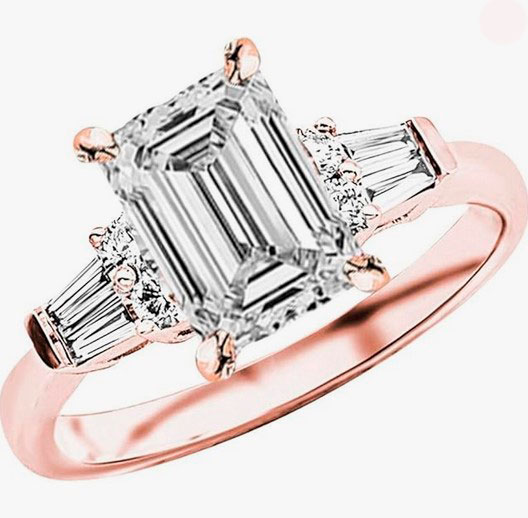
2 to 5.5 Carat Center LAB GROWN DIAMOND Prong Set Round And Baguette Emerald Cut Diamond Engagement Ring (E-F Color VS1-VS2 Clarity) Houston Diamond District
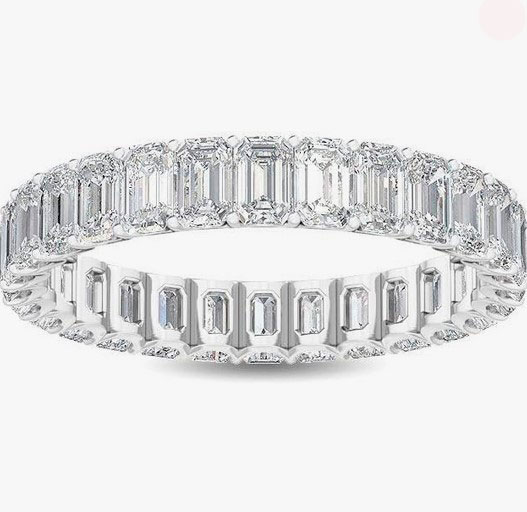
1 to 10 Carat Emerald Cut LAB GROWN Diamond Eternity Band (Color E-F Clarity VS2-SI1) Houston Diamond District
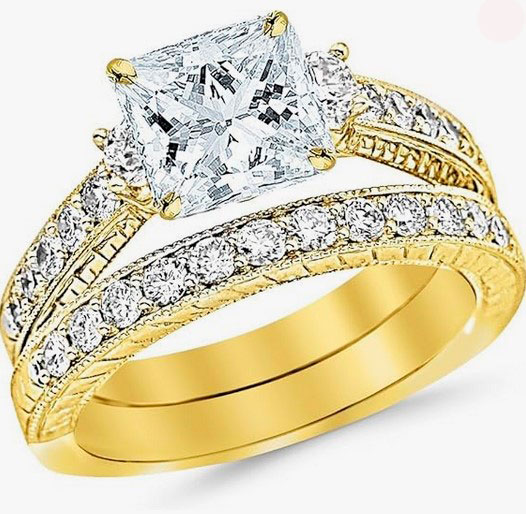
2 to 8 Carat LAB GROWN DIAMOND Three Stone Milgrain & Filigree Bridal Set with Wedding Band & Princess Cut (E-F Color VS2-SI1 Clarity) Houston Diamond District
Explore more than 10,000 additional jewelry styles in the full Houston Diamond District collection.
Houston Diamond District 0.5 to 12 Carat Lab Grown Diamond Stud Earrings: The Complete Buyer’s Guide
Diamond stud earrings occupy a singular position in the fine jewelry landscape. Unlike statement pieces that are reserved for specific occasions or fashion jewelry that reflects a passing trend, a well-chosen pair of diamond studs becomes part of the daily wardrobe — as natural to reach for on a Monday morning as on a Saturday evening, as appropriate in a boardroom as at a formal dinner. The quality of the diamonds, the security of the setting, and the choice of metal determine whether a pair of studs earns that coveted permanent place in a jewelry routine or becomes a piece worn twice a year.
The Houston Diamond District 0.5 to 12 Carat 14K White Gold Round Shape IGI Certified Lab Grown Diamond Stud Earrings in E/F Color and VS2/SI1 Clarity represent a considered answer to the question of what a genuinely excellent everyday diamond stud earring looks like in 2026. This comprehensive guide examines every dimension of these earrings — the diamond quality, the metal, the setting design, the certification, the lab-grown origin, and the practical considerations that determine whether a specific pair is right for a specific buyer.
The Product at a Glance: What You’re Actually Getting
Before examining the details, it helps to establish clearly what this product is and is not. The Houston Diamond District lab grown diamond stud earrings are genuine diamond jewelry — not diamond simulants, not moissanite, not cubic zirconia. The diamonds in these earrings are real diamonds in every scientifically meaningful sense: the same carbon crystal structure, the same hardness (10 on the Mohs scale), the same optical properties, the same thermal conductivity, and the same IGI-certified quality grades as mined diamonds. The difference is their origin — these diamonds were grown in a controlled laboratory environment rather than extracted from the earth — which affects their production cost, their environmental footprint, and their price, but nothing about their physical reality as diamonds.
The earrings are available across a carat weight range spanning 0.5 carats through 12 carats total weight, covering an enormous range of size and presence from delicate everyday studs through statement-level pieces. They are set in genuine 14K white gold — not gold-filled, not gold-plated, not gold-tone — with a 4-prong push back configuration. Every pair comes with IGI certification documenting the diamonds’ quality and a presentation box designed for gifting. The 30-day hassle-free return policy applies to every purchase.
Diamond Quality: Understanding E/F Color and VS2/SI1 Clarity
The quality specification of E/F Color and VS2/SI1 Clarity sits in the upper tier of the near-colorless to colorless diamond quality range — a position that delivers exceptional visual performance at a price point that the equivalent quality in mined diamonds would not make accessible.
E/F Color: The Near-Colorless Standard
Diamond color is graded on a scale from D (completely colorless) through Z (noticeably yellow or brown tint). The practical boundary that most gemologists identify as the visual threshold of colorlessness — the point where a diamond appears white rather than tinted to an observer not specifically looking for color — falls at approximately the G-H range.
E and F color diamonds sit well above this threshold, in the colorless to near-colorless category immediately below D. The distinction between D and E color is negligible to the naked eye under virtually any lighting condition — both are completely colorless to direct observation. The distinction between E/F and G/H is similarly subtle in isolation, though detectable in direct side-by-side comparison with lower-color stones by a trained observer.
For diamond stud earrings specifically, the E/F color specification is particularly valuable for two reasons. First, earrings are typically viewed from a distance of several feet rather than the close-range inspection that ring center stones receive, meaning that the color quality is read as an overall impression of whiteness and brightness rather than detailed scrutiny of tint. At several feet of distance in normal lighting, E/F color diamonds appear brilliantly white with no visible tint to any observer. Second, the 14K white gold setting amplifies the white appearance of the stones — white metal does not impart any warm color cast to the diamond it surrounds, allowing E/F color stones to display their full inherent whiteness without any metal-origin color interference.
VS2/SI1 Clarity: Eye-Clean Performance
Clarity grades document the presence and visibility of internal inclusions (characteristics within the diamond) and external blemishes (surface characteristics). The VS2/SI1 range occupies the clarity tier where diamonds are effectively eye-clean — inclusions not visible to the naked eye under normal viewing conditions — while remaining accessible at price points below the FL/IF/VVS tiers where inclusions are absent or virtually invisible even under magnification.
VS2 (Very Slightly Included 2): Inclusions are visible under 10x magnification to a trained gemologist but invisible to the naked eye in virtually all cases. VS2 represents exceptional value in the clarity spectrum — the same visual appearance as internally flawless diamonds at a substantially lower cost.
SI1 (Slightly Included 1): Inclusions may be detectable under 10x magnification and are typically not visible to the naked eye in face-up position (the orientation in which earrings are viewed during normal wear). In the round brilliant cut, SI1 inclusions are particularly well-concealed by the cut’s 57 to 58 facets and active light return, which scatters and masks internal characteristics more effectively than step cuts or less complex faceting arrangements.
The practical significance of VS2/SI1 clarity for diamond stud earrings is that both grades deliver stones that look as clean and brilliant as diamonds graded FL or IF at purchase prices that reflect their actual — rather than marketing-inflated — value positioning.
Round Brilliant Cut: The Optimal Choice for Maximum Light Return
The round brilliant cut is the most optically engineered diamond shape ever developed — 57 to 58 precisely calculated facets arranged to maximize the amount of light that enters the stone, reflects internally, and exits back through the table to the observer’s eye. This mathematical optimization produces the characteristic fire and brilliance that most people associate with diamond — the white light return (brilliance), the dispersion of spectral colors (fire), and the flashing pattern of light and dark (scintillation) that catch the eye from across a room.
For diamond stud earrings, which are viewed in motion — catching light as the wearer moves their head, shifts positions, and turns — the round brilliant cut’s all-direction light performance is particularly valuable. A step cut (emerald, Asscher) displays its appeal most clearly when stationary and viewed straight-on. The round brilliant performs across the full sphere of motion that earrings experience throughout a wearing day, ensuring consistent brilliance from every angle and in every lighting condition.
The IGI Certification: Why It Matters for Every Purchase
The IGI (International Gemological Institute) certification that accompanies every pair of Houston Diamond District lab grown diamond stud earrings is not a formality or a marketing attachment. It is a binding third-party document that transforms a purchase decision based on seller representation into a purchase decision based on independently verified fact.
What IGI Certification Documents
For each diamond in these earrings, the IGI certificate documents:
Carat weight: The precise total and individual weight of the diamonds, verified by calibrated gemological scales. Houston Diamond District discloses that all diamond weights are approximate with a 6% plus or minus variance — a transparent acknowledgment of the natural variation that exists even in precision-graded stones, and a disclosure that reflects the brand’s commitment to honest communication rather than overpromising specifications.
Color grade: The E or F color assignment, verified by trained IGI gemologists comparing the stone under controlled lighting against master comparison stones. Color grading is the most subjective of the four Cs, which is precisely why independent certification by a respected institution carries weight — it removes the seller’s self-interest from the assessment.
Clarity grade: The VS2 or SI1 clarity assignment, documented with the location and nature of any inclusions present. The IGI report specifies not just the grade but the characteristics that produced it, giving the buyer complete information about what exists within their stone.
Cut quality: For round brilliant diamonds, the IGI evaluates the proportions, symmetry, and polish that determine the stone’s light performance — the quality parameters that determine whether a diamond with excellent color and clarity actually displays those qualities to their full potential.
IGI vs. GIA: Understanding the Difference
IGI is the world’s most widely used certification body for lab-grown diamonds — not because it applies lower standards, but because it was among the first major gemological institutions to develop comprehensive grading protocols for lab-grown stones and has accumulated the largest database of comparative reference material for this category. GIA (Gemological Institute of America) is the most recognized institution for natural diamond certification and is also expanding its lab-grown certification capabilities.
Both institutions apply rigorous, consistent grading methodologies. The choice of IGI for lab-grown diamonds at Houston Diamond District reflects industry standard practice rather than a lesser certification option — IGI certification is the documentation that fine jewelry retailers, insurance companies, and gemological appraisers recognize and accept for lab-grown diamonds.
14K White Gold: Why This Metal Is the Right Choice for These Diamonds
The metal specification of these earrings — 14K white gold — is as deliberate as the diamond quality specification, and understanding why 14K white gold is optimal for this application requires understanding both the alternative metal options and the practical demands of daily-wear stud earrings.
The Case for White Gold Over Yellow Gold
White gold’s primary advantage for near-colorless to colorless diamond settings is optical: white metal does not impart color to the diamond it surrounds. Yellow gold, by contrast, reflects a warm golden tint into the adjacent diamond, which can make E/F color diamonds — which are precisely graded to be colorless — appear slightly warmer (more yellow) than their actual color grade warrants. For diamonds in the I-J color range, this warmth can be flattering, masking the stone’s inherent tint. For E/F color diamonds where colorlessness is the defining quality, yellow gold is a counterproductive choice.
White gold allows E/F color diamonds to present their full inherent whiteness and brilliance without any metal-origin color interference, which is the visual condition these quality grades are optimized for.
The Case for 14K Over 18K and 10K
White gold is alloyed gold — pure gold mixed with white metals (typically palladium or silver) and rhodium-plated to achieve its characteristic silver-white appearance. The karat designation reflects the gold content: 14K is 58.3% pure gold, 18K is 75% pure gold, 10K is 41.7% pure gold.
14K vs. 18K: Higher gold content in 18K creates a softer, more malleable metal — appropriate for some jewelry applications but less ideal for daily-wear earring settings where hardness and wear resistance matter. The 14K alloy’s higher percentage of harder metals (palladium, zinc) creates a more durable metal that resists the scratching and prong wear that daily jewelry use generates. For earrings that will be worn continuously, 14K’s durability advantage over 18K is a genuine practical benefit.
14K vs. 10K: 10K’s lower gold content improves hardness further but reduces the precious metal percentage to the point where the jewelry industry’s generally accepted threshold of “fine jewelry” (typically 14K and above) is no longer met. 14K represents the optimal balance of precious metal content, hardness, and durability for everyday fine jewelry applications.
Rhodium Plating on White Gold
White gold in its natural state — without surface treatment — has a slightly yellowish appearance due to the gold content in the alloy. The bright, silver-white appearance of white gold jewelry is achieved through rhodium plating: a thin coating of rhodium (a platinum-group metal with exceptional hardness and reflectivity) applied to the surface of the alloy.
This rhodium plate is what gives white gold jewelry its crisp, highly reflective silver appearance that photographs so beautifully and complements colorless diamonds so effectively. The plate does wear gradually with daily use — typically requiring re-plating every one to three years depending on wear intensity — a maintenance factor that owners of white gold jewelry should understand and plan for.
4-Prong Push Back Setting: Design Analysis
The setting design of these earrings — 4-prong push back — represents one of the most time-tested and functionally optimal configurations for diamond stud earrings. Each element of this specification is worth understanding.
Four Prongs: The Optimal Diamond Exposure Configuration
The number of prongs in a stud earring setting directly determines how much of the diamond’s surface is visible and accessible to incoming light. A 6-prong setting covers more of the diamond’s girdle and lower crown with metal, slightly restricting the light that reaches the lower facets. A bezel setting (full metal surround) provides maximum security but maximum metal coverage of the stone.
A 4-prong setting covers the minimum amount of the diamond necessary to hold it securely, maximizing the diamond’s exposure to light from all directions. The four prongs contact the stone at four symmetrically spaced points on its girdle, holding it firmly while leaving the crown facets, the table, and most of the girdle perimeter visible and light-accessible.
For round brilliant cut diamonds specifically, the 4-prong martini setting creates the distinctive “round diamond floating in a cup” appearance that shows the stone’s full circumference — the visual configuration that most effectively communicates the diamond’s actual size and allows its light performance to operate without obstruction.
Push Back Closure: Everyday Security
The push back (butterfly back or friction back) closure is the most widely used earring post system for stud earrings and represents an effective balance of ease of use, security, and wearing comfort.
The push back works through a spring-loaded friction mechanism: the earring post passes through the ear piercing and into the push back fitting, which grips the post through spring tension and holds the earring securely during normal wear. Removing the earring requires conscious pinching of the push back to release the spring tension, a deliberate action that prevents accidental removal during normal activity.
For daily-wear earrings, the push back’s security is adequate for the demands of regular use — work, exercise, sleep, and social activities. It is not as secure as a screw back (which requires deliberate unscrewing to remove) but provides sufficient holding force for earrings worn through the normal range of daily activities.
The push back’s ease of use is particularly valuable for earrings worn daily — the quicker and more intuitive the closure system, the more likely earrings are to actually be worn consistently rather than avoided because putting them on feels fiddly.
The Carat Weight Range: Choosing the Right Size
The availability of these earrings across a total carat weight range from 0.5 to 12 carats represents one of the most significant practical advantages of the Houston Diamond District offering — the ability to choose the exact size that matches the buyer’s preferences, face structure, lifestyle, and budget rather than being limited to a small selection of predetermined sizes.
0.5 to 1.0 Carat Total Weight (0.25 to 0.50 ct each)
In the 4.0 to 5.0mm diameter range per stone, this carat range produces earrings that are clearly visible and sparkle distinctly but read as refined and understated rather than bold. These are the ideal everyday earrings for professional environments where visible but not distracting jewelry is the standard, for women who prefer the clean, unfussy elegance of smaller studs, and for younger wearers building their first fine diamond jewelry collection. At the lower end of the price range for this collection, this size category provides the best entry point for buyers who want genuine IGI certified lab grown diamond quality in a size appropriate for continuous daily wear.
1.0 to 2.0 Carat Total Weight (0.50 to 1.0 ct each)
In the 5.0 to 6.5mm diameter range per stone, this carat range represents the sweet spot of diamond stud sizing that most jewelry style guidance identifies as universally flattering and appropriately versatile. A 1.0 carat total weight stud produces a stone that is unmistakably present from conversational distance, catches light in a way that draws the eye without demanding attention, and works equally well from Monday morning through Saturday evening. The 2.0 carat total weight range (1.0 ct per ear) represents what many women consider the ideal stud size — large enough to make a clear, confident statement without entering the territory where the earrings become a focal point rather than a complement to the overall look.
2.0 to 4.0 Carat Total Weight (1.0 to 2.0 ct each)
Earrings in this range make a deliberate statement. The stone size at 2.0 ct per ear (approximately 8.2mm diameter) is unmistakably visible from across a room, produces significant light return that catches attention in any environment, and communicates the kind of quiet confidence that comes from wearing genuinely exceptional jewelry. These sizes are most appropriate for women who want their earrings to be a visible part of their personal style identity rather than a subtle accent, for formal and social occasions where presence matters, and for buyers who want maximum light performance and visual impact.
4.0 to 12 Carat Total Weight (2.0 to 6.0 ct each)
The upper range of this collection represents statement-level diamond earrings — pieces that are worn intentionally rather than by default, that define the visual presentation of any outfit they accompany, and that represent a significant fine jewelry investment. Earrings in this size range are typically reserved for formal occasions, significant social events, and the specific personal style that embraces bold, visible jewelry as a core element of self-presentation. The availability of lab grown diamonds at these carat weights through Houston Diamond District at prices that make the range accessible to buyers who could not approach these sizes in mined diamonds is one of the most significant practical demonstrations of the lab grown value proposition.
Lab-Grown Diamonds: The Complete Scientific and Ethical Context
The lab-grown origin of these diamonds is not a compromise or a trade-off. It is a production method that creates chemically and physically identical diamonds through a different process — with different economic and environmental implications that many buyers consider advantages rather than limitations.
The Science: Identical at the Atomic Level
A lab-grown diamond is created in one of two processes — High Pressure High Temperature (HPHT) or Chemical Vapor Deposition (CVD) — both of which recreate the conditions that produce natural diamond crystal growth, resulting in carbon atoms arranged in the same cubic crystal structure that defines all diamonds, mined or grown.
The resulting material has the same hardness (10 on the Mohs scale), the same thermal conductivity, the same refractive index, the same specific gravity, and the same optical behavior as a mined diamond. No instrument short of specialized equipment used by trained gemologists — specifically capable of detecting the differences in trace elements and growth patterns — can distinguish a lab-grown diamond from a mined diamond. Standard handheld diamond testers, which test thermal or electrical conductivity, confirm lab-grown diamonds as diamonds because they have diamond conductivity — not as a testing error, but as an accurate result.
The Environmental Dimension
Diamond mining involves significant land disturbance, energy consumption, and ecosystem impact. The extraction of a single one-carat mined diamond involves moving approximately 250 tons of earth and consuming substantial water and energy resources in the process. Lab-grown diamond production still requires significant energy but eliminates the land disturbance, ecological disruption, and community impact associated with mining operations.
For buyers who consider the environmental footprint of their purchasing decisions relevant, the lab-grown origin of Houston Diamond District diamonds represents an alignment between the beauty and durability of the product and the values that inform their consumption choices.
The Conflict-Free Guarantee
Houston Diamond District explicitly discloses that it sells 100% natural, untreated, conflict-free diamonds — a representation that encompasses both the mined diamond origin (untreated) and the ethical sourcing standard (conflict-free) of any natural stones in the collection, while lab-grown diamonds are inherently conflict-free by origin.
For engagement ring and significant gift purchases where the ethical dimensions of the jewelry are part of its meaning — where the buyer wants the piece to represent not just love and commitment but values they hold — the conflict-free, lab-grown origin provides this assurance at the product level rather than requiring it to be taken on faith from a supply chain the buyer cannot verify.
Packaging and Presentation: The Purchase Experience
Every Houston Diamond District lab grown diamond stud earring purchase arrives in a complimentary earring box — a presentation-ready package designed to make the delivery experience as appropriate as the jewelry it contains. The packaging is described as discreet and elegant, accommodating both self-gifting (where the packaging serves the owner’s storage and display needs) and gift-giving (where the packaging creates the presentation moment that fine jewelry purchases often build toward).
For proposal contexts, anniversary gifts, birthday presents, and other emotionally significant giving occasions, the quality of the unboxing experience is not trivial — it sets the emotional tone for the recipient’s first encounter with the piece and contributes to the memory formed around the gift. Houston Diamond District’s investment in packaging quality reflects an understanding that the purchase experience extends beyond the moment of transaction to include the moment of presentation.
The 30-Day Hassle-Free Return Policy: Shopping Without Risk
Fine jewelry purchased online carries an inherent trust requirement that Houston Diamond District’s 30-day return policy addresses directly. The commitment to hassle-free returns means that a buyer who receives their earrings and finds that the size is different from their expectation, that the pieces are not right for their intended purpose, or simply that the jewelry doesn’t meet their standards can return them without navigating complex eligibility criteria or justifying their decision.
For significant jewelry purchases — carat weights above 2.0 total weight, pieces purchased as engagement gifts or significant anniversary presents — the 30-day window is particularly valuable because it allows the buyer to present the piece, observe the recipient’s authentic reaction, and have the option to exchange or return if the response indicates the choice wasn’t right. This protection is not standard across fine jewelry retail, and its availability at Houston Diamond District represents a meaningful practical commitment to buyer confidence rather than simply a standard return window.
Comparing Houston Diamond District Lab Grown Diamond Studs to the Market
The Houston Diamond District 0.5 to 12 Carat Lab Grown Diamond Stud Earrings occupy a specific and valuable position in the broader market for diamond stud earrings.
vs. Mined Diamond Studs at Equivalent Grades
IGI certified E/F color, VS2/SI1 clarity mined diamond stud earrings in 14K white gold at equivalent carat weights carry significantly higher prices — typically 40% to 60% above the equivalent lab-grown specification, reflecting the different economics of diamond mining versus laboratory production. The quality grades, the setting, and the metal are identical. The visual result is identical. The price differential reflects origin costs rather than any difference in the diamonds themselves.
For buyers whose priority is maximum diamond quality within a specific budget, the lab-grown specification consistently delivers larger or higher-quality stones than the mined alternative at the same price point.
vs. Moissanite and Diamond Simulants
Moissanite, cubic zirconia, and other diamond simulants are not diamonds — they are different materials with different crystal structures, different hardness values, and different optical properties. They may appear similar to diamonds to casual observation but are distinguishable to a trained eye, test differently on gemological equipment, and carry no IGI or GIA diamond certification. Houston Diamond District’s explicit clarification that these are lab-grown diamonds — not simulants — is worth noting for buyers who have encountered confusion between these categories in other market contexts.
vs. Lower-Quality Lab-Grown Studs at Lower Price Points
Lab-grown diamonds are available across the full quality spectrum, and the lower end of the market includes stones graded at I-J color and I1-I2 clarity that deliver significantly less visual performance than the E/F, VS2/SI1 specification of these earrings. The IGI certification on Houston Diamond District earrings provides verification that the quality grades are accurately represented rather than self-reported — a protection that uncertified, lower-quality alternatives don’t provide.
Final Assessment: Who Should Buy These Earrings
The Houston Diamond District 0.5 to 12 Carat 14K White Gold Round Shape IGI Certified Lab Grown Diamond Stud Earrings are the right choice for a specific, well-defined buyer profile:
The quality-focused buyer on a specific budget who wants the maximum certified diamond quality their budget can provide and understands that lab-grown production costs rather than compromised quality produce the price difference from mined alternatives.
The daily-wear buyer who wants diamond studs that will be worn consistently and exposed to the conditions of real daily life — who needs the durability of 14K white gold, the security of 4-prong push back settings, and the confidence of IGI certification confirming what they’re wearing.
The ethical-consumption-focused buyer who considers the environmental footprint and conflict-free provenance of their jewelry as part of its meaning and appeal — who wants beautiful, certified diamonds that align with their values.
The gift buyer at any budget level who wants to give a verified, certified, beautifully presented fine jewelry piece that comes with documentation the recipient can reference, insurance companies will accept, and gemological appraisers will validate.
The buyer exploring larger diamond sizes who would find equivalent carat weights in mined diamonds financially inaccessible and who wants to experience the genuine visual presence that larger diamond studs provide without the premium that mined origin adds to production costs.
The combination of IGI certification, genuine 14K white gold construction, round brilliant cut performance, and E/F, VS2/SI1 quality grades across a range spanning half a carat through twelve carats represents one of the most complete fine diamond stud earring offerings available in the lab-grown diamond market — and the Houston Diamond District pricing model ensures that this quality is accessible to buyers who understand what they’re looking at.
Houston Diamond District 1–6 Carat Lab Grown Diamond Solitaire Engagement Ring: The Complete Guide for Every Buyer
The engagement ring is the most considered jewelry purchase most people ever make. It carries more emotional weight, more symbolic significance, and more practical permanence than any other piece of fine jewelry — it is chosen with a specific person in mind, worn every day for decades, and represents a commitment that the buyer wants the ring to honor through every detail of its design and quality. Getting it right matters in ways that transcend aesthetics or price.
The Houston Diamond District 1–6 Carat Lab Grown Round Cut Diamond Prong Set Solitaire Engagement Ring in E-F Color, VS1-VS2 Clarity, and 18K Yellow Gold represents a specific position on the spectrum of engagement ring choices — one built around the belief that exceptional certified diamond quality, timeless design, and ethical production should not require a buyer to choose between them. This comprehensive guide examines every dimension of this ring: the diamond quality grades and what they mean in practice, the significance of the 18K yellow gold setting, the prong solitaire design and its enduring visual logic, the lab-grown origin and what it means for the buyer’s values and budget, and the practical considerations that determine whether this specific ring is right for a specific proposal.
Understanding What This Ring Is
The Houston Diamond District solitaire engagement ring is a classic prong-set solitaire — a single round brilliant cut lab-grown diamond secured by prongs in an 18K yellow gold band. Available across a carat weight range from 1 through 6 carats, it is graded to E-F color and VS1-VS2 clarity by GIA and IGI standards, with a very good cut assessment. It is made in the United States, comes in a presentation box ready for gifting, and carries Houston Diamond District’s 30-day return policy.
Every element of this specification is deliberate. The solitaire design is the most enduring and recognizable engagement ring configuration in the world. The yellow gold setting is a deliberate pairing with the diamond quality grades that produces a specific visual result. The E-F color and VS1-VS2 clarity grades place this ring at the upper end of the near-colorless, near-flawless spectrum. The round brilliant cut is the most optically optimized diamond shape ever developed. And the lab-grown origin delivers these quality specifications at a price point that equivalent mined diamond quality could not reach.
Understanding each of these decisions separately — and how they interact with one another — is what allows a buyer to evaluate this ring not on face value or marketing language but on the actual quality of what they’re considering.
The Diamond Quality Specification: E-F Color and VS1-VS2 Clarity
E-F Color: What Colorless Actually Means
The GIA color grading scale runs from D (completely colorless, the theoretical maximum) through Z (noticeably yellow or brown tint). In practical terms, the scale’s upper range divides as follows: D-F is the “colorless” range, G-J is “near-colorless,” K-M is “faint,” and N-Z covers increasingly visible yellow.
E and F color diamonds — the specification for this ring — sit in the colorless range, immediately adjacent to D. The practical visual difference between D and E, or between E and F, is not detectable by the naked eye under any normal viewing condition. Both E and F appear brilliantly white, crisp, and cold-toned in direct observation. The distinction becomes apparent only under controlled laboratory conditions using master comparison stones — a level of scrutiny that occurs in gemological labs, not at dinner tables or in sunlight.
What E-F color delivers in practical terms is complete absence of the warmth or yellowish cast that buyers at the G-H boundary occasionally notice, particularly in larger carat weights where color becomes slightly more visible due to the increased depth of the stone. For a ring in the 1–6 carat range, where the diamond will be prominent and regularly observed at close range, E-F color ensures that the stone reads as unambiguously white regardless of lighting conditions, viewing angle, or carat weight within the range.
VS1-VS2 Clarity: The Eye-Clean Standard
The clarity grades VS1 and VS2 (Very Slightly Included 1 and 2) document diamonds whose internal inclusions are visible under 10x magnification to a trained gemologist but invisible to the naked eye in virtually all cases. This eye-clean performance is the practical clarity standard for engagement rings — the threshold where inclusions don’t affect the visible beauty of the stone during normal wear.
The distinction between VS1 and VS2 is subtle: VS1 inclusions are slightly more difficult to locate under magnification, while VS2 inclusions are marginally easier to find under magnification but equally invisible without it. For practical purposes at the viewing distances and conditions under which an engagement ring is actually observed, VS1 and VS2 are visually indistinguishable.
What VS1-VS2 clarity means for the buyer of this ring is that the diamond they receive will show no visible inclusions under any normal observation — no clouds, no feathers, no crystal inclusions that interrupt the brilliance of the stone or catch the eye as dark spots within its depth. The diamond will appear as clean as a FL or IF graded stone to any observer who isn’t using 10x magnification and specifically looking for inclusions.
Very Good Cut: Light Performance Above the Average
The cut quality assessment of “very good” for the round brilliant diamonds in this ring documents that the proportions, symmetry, and polish of the stone fall within a range that produces excellent light performance — fire, brilliance, and scintillation significantly above average, falling just below the “excellent” cut tier that represents the absolute upper boundary.
For round brilliant diamonds, cut quality is the most significant determinant of how the stone appears in real-world viewing conditions. A diamond with excellent color and clarity but poor cut will look dull and lifeless because its proportions don’t return light effectively to the observer’s eye. A diamond with very good cut delivers the active, dynamic light performance that makes round brilliant diamonds so universally appealing — the bright flashes of white brilliance, the spectral fire of dispersed color, and the scintillation pattern that makes the stone appear to dance when it moves.
In practical terms, a very good cut round brilliant in E-F color and VS1-VS2 clarity is a stone that performs beautifully in every lighting environment — indoors, outdoors, in photography, in candlelight, and under fluorescent office lighting. It catches the eye from across a room and holds attention at conversational distance with equal effectiveness.
The 18K Yellow Gold Setting: A Deliberate Pairing
The choice of 18K yellow gold for this engagement ring is not a default or a cost decision — it is a deliberate design choice that reflects both aesthetic and material considerations, and it interacts with the E-F color diamond specification in ways that buyers should understand before evaluating the combination.
Yellow Gold and Colorless Diamonds: The Traditional Pairing
The relationship between yellow gold and colorless diamonds is one of the most discussed questions in engagement ring design, and opinions divide sharply. The technical argument is that yellow metal imparts a warm tint to adjacent diamonds — that a colorless E-F diamond in a yellow gold setting will appear slightly warmer (less white) than the same stone in white gold or platinum, because the metal reflects warmth into the lower facets of the stone.
This effect is real in a laboratory context. In real-world conditions — particularly in the 1–6 carat size range where a significant portion of the diamond’s crown facets are well above the metal — the effect is considerably less dramatic than the laboratory observation suggests. The crown facets and table of the diamond, which are the most visually prominent surfaces, are exposed to ambient light rather than metal reflection, and it is these surfaces that dominate the visual impression of the stone’s color for observers at normal viewing distances.
The aesthetic argument for yellow gold is older, more culturally embedded, and for many buyers more emotionally resonant than the technical argument against it. Yellow gold engagement rings are the traditional format in most world cultures — they carry the visual history of commitment and ceremony that engagement rings have accumulated over centuries. For buyers who find the warmth and richness of yellow gold beautiful, or who want an engagement ring that connects to that cultural history, yellow gold is not a compromise but a preference.
18K vs. 14K Yellow Gold: The Purity Difference
Yellow gold jewelry is available in 10K (41.7% gold), 14K (58.3% gold), and 18K (75% gold) — and the Houston Diamond District specification of 18K represents the highest gold purity commonly used in fine engagement jewelry.
The higher gold content of 18K produces the richest, deepest yellow color in yellow gold jewelry — a more saturated golden warmth than the slightly paler yellow of 14K. For buyers who choose yellow gold because they love the color of gold, 18K delivers the color most fully. This is the primary aesthetic advantage of 18K over 14K for yellow gold settings.
The trade-off is hardness: higher gold content means a softer metal, since pure gold (24K) is too soft for jewelry use and the alloying metals added to create 14K and 18K are harder than gold itself. 18K is softer than 14K, which means it is marginally more prone to developing minor surface scratches over years of daily wear. For an engagement ring worn continuously on the left ring finger — exposed to all the daily contact that finger receives — this difference is worth noting.
In practice, 18K gold is widely used for engagement and wedding jewelry across the global luxury market, and its softness relative to 14K is a long-term maintenance consideration rather than a deficiency. Annual professional polishing maintains the surface condition, and the prong settings should be inspected annually by a jeweler to confirm the diamond remains secure.
The Visual Character of Yellow Gold in This Setting
The prong solitaire in yellow gold creates a visual presentation that has a distinct character from the same design in white gold or platinum. The warm golden band and prong structure create a contrast with the white brilliance of the diamond that many buyers find compelling — the diamond appears to float against the gold, with the color contrast making both the gold’s warmth and the diamond’s whiteness more visually distinct than they would be in a white metal setting where diamond and metal read as a unified color.
This contrast effect is particularly pronounced for round brilliant cut diamonds in larger carat weights, where the stone’s size relative to the band creates the visual impression of a prominent, elevated center diamond presented in a warm golden frame.
The Prong Solitaire Design: Why It Has Endured for Over a Century
The solitaire engagement ring — a single diamond set in prongs on a plain band — is not merely a design style. It is the archetypal engagement ring, the configuration that has defined what an engagement ring looks like in Western culture for well over a century and that continues to be the most purchased engagement ring style globally by a significant margin.
The Design Logic of the Solitaire
The solitaire’s enduring appeal is grounded in a design logic that is almost perfectly calibrated for its purpose. An engagement ring is worn to communicate a specific, important fact: that the wearer is engaged, and that someone chose a specific diamond for them as the physical expression of a commitment. The design’s job is to present that diamond — to ensure that the diamond is the first, primary, and dominant visual element anyone observes when they look at the ring.
The prong solitaire accomplishes this with complete effectiveness. The plain band presents no visual competition for the center stone. The prong setting maximizes diamond exposure by minimizing metal coverage. The elevated position of the stone above the band creates spatial prominence that focuses attention precisely where it belongs. The single-stone design eliminates any ambiguity about what the ring’s visual centerpiece is.
This design logic is why the solitaire hasn’t been displaced by more elaborate alternatives despite decades of design innovation in the engagement ring category. Side stones, halos, pavé bands, and mixed-metal designs have all had periods of significant popularity, but none has achieved the solitaire’s combination of clarity, timelessness, and universal recognition as the canonical engagement ring form.
The Prong Setting: Maximum Exposure, Maximum Light
The prong setting — the configuration where the diamond is held by multiple metal “fingers” (prongs) that contact the stone’s girdle and hold it above the band surface — is the setting type that maximizes diamond exposure more than any alternative, including the bezel, channel, and tension settings that compete with it in the engagement ring category.
With a prong setting, the diamond’s crown facets, table, and most of the girdle circumference are fully exposed to incoming light. The prongs contact the stone at discrete points on the girdle, leaving the vast majority of the stone’s surface area available for light entry and reflection. The stone is elevated above the band by the prong shank length, positioning the table well above the finger plane where ambient light has unrestricted access from above, from the sides, and from angles below the ring.
For a very good cut round brilliant diamond in E-F color, this exposure is precisely what allows the diamond’s light performance to function at its full potential. The prong setting does not compromise the cut’s work — it enables it by ensuring that the diamond sits in the optimal position to gather and return the maximum amount of light.
Prong Count Considerations
The number of prongs in a setting affects both security and visual presentation. Four-prong settings maximize diamond exposure and produce a clean, open visual that lets the round diamond’s circumference show fully. Six-prong settings provide increased security — particularly important for larger diamonds in higher-wear applications — at the cost of slightly more metal coverage of the girdle.
For an engagement ring in the 1–6 carat range that will be worn daily, the prong count decision should weigh both aesthetics and security. Larger diamonds (above 2 carats) benefit from the added security of six prongs because the greater mass of the stone creates more inertia that must be held against impacts and catching. For diamonds in the 1–2 carat range, four prongs provide adequate security while delivering the maximum diamond exposure that the design logic calls for.
The Carat Weight Range: Choosing the Right Size for Your Proposal
The availability of this ring across the 1–6 carat range is one of its most significant practical features — and one of the clearest demonstrations of the lab-grown value proposition for engagement ring buyers. Understanding what each carat weight delivers visually and what it represents in terms of purchase investment guides the buyer toward the right choice for their specific situation.
1.0 Carat: The Classic Standard
The 1-carat round brilliant diamond has been the benchmark engagement ring size for decades — the weight that most buyers mean when they say “a diamond ring” without further specification. A 1-carat round brilliant measures approximately 6.5mm in diameter, producing a stone that is clearly and confidently visible on the finger, unmistakably a diamond of significance, and proportioned appropriately for most finger widths and hand sizes.
For buyers who are working within a specific budget and want the clearest possible certification of diamond quality within that budget, the 1-carat specification in E-F color and VS1-VS2 clarity delivers a stone whose quality is verifiable, documented, and exceptional by any objective standard. The cultural significance of the 1-carat threshold also remains real — it carries a weight of expectation and meaning that buyers and recipients both understand.
1.5 to 2.0 Carats: The Step Up in Presence
Moving from 1.0 to 1.5 or 2.0 carats produces a visually significant increase in stone size that buyers consistently describe as transformative rather than incremental. The 1.5-carat round brilliant measures approximately 7.4mm in diameter; the 2.0-carat measures approximately 8.2mm. The difference of 1.7mm between 1.0 and 2.0 carats may sound modest as a linear measurement, but the visual impact — a 26% increase in diameter that translates to a 58% increase in face-up surface area — is substantial and immediately apparent.
In yellow gold, the 1.5–2.0 carat range has a particularly striking appearance because the combination of significant stone size and warm metal creates the classic, bold look that characterized high-status engagement jewelry through much of the twentieth century. For buyers who want the ring to make a clear visual statement from across the table, the 1.5–2.0 carat range accomplishes this while remaining proportioned for everyday comfort.
2.0 to 4.0 Carats: Statement-Level Presence
Engagement rings in the 2–4 carat range are unambiguously statement pieces. The 3-carat round brilliant measures approximately 9.4mm in diameter — a size that dominates the ring finger and is visible and significant at social distances where 1-carat rings are clearly present but not dominant. These sizes represent the category where engagement ring conversations tend to begin when someone across the room notices the ring on someone’s hand.
For buyers who can access this carat range through lab-grown pricing — a range that mined diamonds would price at levels inaccessible to most engagement ring budgets — the visual experience of wearing a certified 3-4 carat E-F, VS1-VS2 round brilliant in 18K yellow gold is genuinely extraordinary. The fire and brilliance at this size, in this quality grade, in a prong solitaire setting, produce the kind of light performance that is unmistakable in any environment.
4.0 to 6.0 Carats: Collector-Level Fine Jewelry
The upper range of this collection crosses into territory that was historically accessible only to buyers with exceptional fine jewelry budgets. A 5-carat round brilliant solitaire engagement ring in E-F color, VS1-VS2 clarity, and 18K yellow gold is the kind of piece that appears in auction house previews and private jewelry viewings — not in mainstream retail engagement ring budgets.
The lab-grown pricing that makes this range available through Houston Diamond District represents one of the most dramatic demonstrations of what the lab-grown value proposition delivers when applied to the highest end of the market. For buyers who have always wanted to give or receive a ring of this presence and quality — and who now find it within reach — this range delivers an experience of diamond size and light performance that is genuinely transformative.
Made in USA: The Manufacturing Standard
The explicit Made in USA designation on this ring is not merely a geographic fact — it carries quality implications for fine jewelry that buyers should understand.
American-made fine jewelry is produced under manufacturing standards, labor conditions, and quality control practices that differ meaningfully from jewelry produced in lower-cost manufacturing regions. The bench jeweler traditions and quality expectations of American fine jewelry manufacturing are embedded in the industry standards that govern how settings are constructed, how prongs are finished, how surfaces are polished, and how quality inspections are conducted.
For a piece as significant as an engagement ring — one that will be worn daily for decades — the manufacturing quality of the setting is not a secondary consideration. The prong construction determines whether the diamond remains secure through years of daily wear. The surface finishing of the band determines how the piece ages. The dimensional accuracy of the ring sizing determines whether the ring fits correctly and comfortably. Made in USA manufacturing provides the quality baseline that fine jewelry intended for lifetime wear requires.
Community Commitment: 7.5% to Limbfitting
Houston Diamond District’s commitment to donating 7.5% of profits to the world’s number one limb-fitting organization is a purchasing consideration that some buyers find meaningfully relevant to their engagement ring choice.
A purchase that creates a charitable outcome has a different character from a purchase that does not — it becomes part of the gift’s meaning and the buyer’s story about why they chose this particular ring. For buyers who want their significant purchases to reflect their values and to contribute to outcomes beyond the transaction itself, this specific commitment — precise enough to be verifiable and significant enough (7.5% of profits) to represent real charitable contribution — adds a dimension to the purchase that price and quality alone cannot provide.
The Ethical Dimension: Lab-Grown Diamonds and the Engagement Ring
The engagement ring’s symbolic weight makes the ethics of its production more relevant to many buyers than the ethics of most other purchases. An engagement ring is supposed to represent something unambiguously positive — love, commitment, a shared future. The history of diamond mining, and the ongoing questions about mining’s environmental and social impacts in some production regions, create a tension between the ring’s symbolic meaning and the conditions of its production that some buyers find genuinely troubling.
Lab-grown diamonds resolve this tension completely. A diamond grown in a controlled laboratory environment carries no mining-related environmental footprint, no questions about supply chain transparency, and no association with conflict. It is a diamond in every physical sense — identical to mined diamonds in composition, hardness, optical properties, and certified quality — produced through a process that the buyer can understand and whose implications are straightforwardly positive.
For the growing segment of engagement ring buyers who consider the ethical dimensions of their purchase as part of what the ring represents, the lab-grown origin of this ring aligns the physical object with the values it’s meant to embody. The engagement ring should be a symbol of what the couple believes in as well as what they feel for each other — and for many contemporary buyers, that includes making choices that reflect environmental responsibility and ethical consumption.
GIA and IGI Grading Standards: The Certification Foundation
Houston Diamond District explicitly states that items are graded as per GIA and IGI standards — a specification that is worth unpacking because it governs the reliability of every quality claim made about this ring.
GIA (Gemological Institute of America) is the institution that developed the 4Cs grading framework that the entire global diamond industry uses — the color scale from D to Z, the clarity scale from FL to I3, the cut grade system, and the carat weight measurement methodology. When a diamond is graded “as per GIA standards,” it means the same grading framework and methodology that GIA uses is applied — the same definitions of what E color means, what VS1 means, what very good cut means.
IGI (International Gemological Institute) is the world’s most widely used certification body for lab-grown diamonds specifically, having developed the most comprehensive and standardized grading protocol for lab-grown stones. IGI certification applies the same 4Cs framework as GIA to lab-grown diamonds, providing the same type of documentation and the same quality verification.
For buyers, this grading standard alignment means that the E-F color and VS1-VS2 clarity grades on this ring are defined by the same criteria that the global gemological community uses. The grades are not self-reported estimates or marketing approximations — they are quality assessments based on the objective, documented standards of the world’s most respected gemological institutions.
Gifting Context: When This Ring Is the Right Choice
The Proposal Context
The primary purpose of this ring is the marriage proposal — the moment when one person asks another to spend their life with them, and presents a diamond ring as the physical expression of that question and that commitment. The design choices that make this ring appropriate for that context are deliberate: the solitaire’s universal recognition as the canonical engagement ring form, the round brilliant cut’s maximum brilliance that creates the photographic and visual impact that proposal moments deserve, and the presentation box packaging that makes the ring ready for the moment it’s opened.
The 30-day return policy provides the protection that the proposal context specifically benefits from — the ability to give the ring, observe its reception, and have a resolution path available if something about the choice turns out to be not quite right. This is not a reflection of lower confidence in the product; it is an acknowledgment that engagement ring preferences are deeply personal and that supporting the buyer’s confidence requires more than a beautiful product.
Anniversary and Significant Gift Contexts
The ring’s specifications make it equally appropriate as an anniversary gift — particularly for milestone anniversaries where a significant upgrade ring is traditional — and for other significant gifting occasions including Valentine’s Day, Mother’s Day, and birthdays with the meaning and permanence of a diamond ring. Houston Diamond District explicitly identifies this ring as appropriate across these gifting occasions, and the range of available carat weights allows calibration of the gift’s scale to the significance of the occasion.
What Buyers Report After Receiving This Ring
The parent buyer community that has received this ring across different carat weights and proposal contexts consistently reports a pattern of outcomes that confirms the product’s quality claims. Verified purchasers note stones that sparkle and perform visually as the certification grades predict, settings that feel secure and well-made, presentation that meets the emotional expectations of proposal-worthy fine jewelry, and responsive seller engagement with any post-purchase questions.
The combination of IGI grading documentation, American manufacturing standards, 18K yellow gold construction, and E-F color, VS1-VS2 clarity diamonds in a very good cut round brilliant configuration produces a ring that receives the reception this type of purchase aims for: the recipient’s immediate recognition that the diamond is exceptional, that the setting is beautiful, and that the person who chose it understood both what they were buying and what it would mean to receive it.
Conclusion: The Case for This Specific Ring
The Houston Diamond District 1–6 Carat Lab Grown Round Cut Diamond Prong Set Solitaire Engagement Ring in E-F Color, VS1-VS2 Clarity, and 18K Yellow Gold represents a coherent answer to the engagement ring question — one built from quality components whose individual merits are verifiable and whose combination produces an outcome that the buyer can approach with confidence.
The lab-grown diamonds deliver certified E-F color and VS1-VS2 clarity at price points that allow buyers to access carat weights that equivalent mined diamond quality would make financially inaccessible. The 18K yellow gold setting provides the rich warmth of the highest gold purity common in fine jewelry. The prong solitaire design provides the most enduring, most universally recognized engagement ring form in the world. The Made in USA manufacturing standard provides the quality baseline that lifetime-wear jewelry requires. The IGI grading standards provide the verification that transforms seller claims into documented fact. And the 7.5% community contribution adds a charitable dimension to the purchase that gives it significance beyond the transaction.
For the buyer who wants to give an engagement ring that is beautiful, certified, ethically produced, American-made, and backed by transparent documentation — across a carat weight range from the classic 1-carat benchmark through the statement-level territory of 5 and 6 carats — this ring is worth the serious consideration it deserves.
Houston Diamond District 2 to 50 Carat Classic Lab Grown Diamond Tennis Bracelet: The Complete Guide to the Ultra Premium Collection
When someone refers to a piece of jewelry as genuinely extraordinary, the word is usually doing more work than the piece deserves. The Houston Diamond District 2 to 50 Carat Classic Lab Grown Diamond Tennis Bracelet in E-F Color and VS2-SI1 Clarity is one of the rare exceptions — a piece where the specifications, the craftsmanship, and the price-to-quality relationship combine to produce something that the word extraordinary actually fits without exaggeration.
Houston Diamond District has built its reputation on a consistent premise: certified diamond quality, American manufacturing standards, and direct-to-buyer pricing that removes the retail markup layers that traditional jewelry stores embed into every transaction. The tennis bracelet collection is perhaps the clearest expression of this premise — a category where the gap between traditional retail pricing and the Houston Diamond District factory-direct model is at its most dramatic, and where the opportunity to access genuinely exceptional diamond quality at accessible prices is at its most tangible.
This comprehensive guide examines every dimension of the Houston Diamond District tennis bracelet: the quality grades and what they deliver in practice, the yellow gold construction and why it matters, the Ultra Premium Collection designation and what it signifies, the lab-grown origin and its implications for quality, ethics, and value, and the practical considerations that help buyers choose the right total carat weight for their specific needs and preferences.
What Is the Houston Diamond District Tennis Bracelet?
The Houston Diamond District Classic Lab Grown Diamond Tennis Bracelet is a continuous line of round brilliant cut, 4-prong set lab-grown diamonds in yellow gold, available across a total carat weight range from 2 carats through 50 carats. Every diamond in the bracelet is graded to E-F color and VS2-SI1 clarity by GIA and IGI standards and certified as part of the Ultra Premium Collection designation.
The tennis bracelet format — a flexible line of individually set diamonds running the full circumference of the wrist — is one of the most recognizable and consistently coveted fine jewelry forms in the world. Its name derives from a widely reported 1987 incident at the US Open where tennis player Chris Evert’s diamond bracelet broke during match play and she requested a pause in the game to retrieve it — an incident that both gave the style its name and cemented its cultural status as the wrist jewelry of aspiration and achievement.
Houston Diamond District produces this iconic format across a carat range that spans from the accessible entry point of 2 total carats through the extraordinary upper boundary of 50 total carats — a range that encompasses everything from a refined, elegant everyday bracelet through collector-level statement pieces that represent some of the most spectacular wrist jewelry available at any price point in the lab-grown diamond market.
The Quality Specification: E-F Color and VS2-SI1 Clarity in Context
The diamond quality specification of the Houston Diamond District tennis bracelet — E-F color and VS2-SI1 clarity — is not a marketing tier name. It is a precise description of independently verified diamond characteristics that places this bracelet at a specific, well-defined position in the quality hierarchy that every serious diamond buyer should understand.
E-F Color: The Colorless Standard
The GIA color grading scale progresses from D (absolutely colorless, the theoretical maximum of diamond color quality) through Z (noticeably yellow or brown). The E-F range sits immediately adjacent to D in the colorless category — the tier where diamonds display no detectable color tint to the naked eye under any normal viewing condition.
For a tennis bracelet specifically, the color specification is more visually significant than it might be for a single-stone piece. A tennis bracelet contains many individual diamonds — from approximately 30 stones at the lower carat weights to well over 100 at the higher end of the Houston Diamond District range — and the collective visual impression of the bracelet is essentially a continuous line of color. A bracelet set with I-J color diamonds, which have a detectable warm tint in isolation, shows that warmth amplified across the entire length of the piece. A bracelet set with E-F color diamonds presents a uniformly brilliant white line that catches light without the visual noise of inconsistent or warm color.
The E-F specification also has specific implications for the yellow gold setting of the Houston Diamond District bracelet. In a white gold or platinum setting, E-F color would appear as icy, cold-toned brilliance without any warm interference from the metal. In yellow gold, the warm metal creates a contrast with the colorless diamonds — the white of the diamonds and the gold of the setting become mutually enhancing rather than competing visual elements. This contrast is part of what gives the Houston Diamond District yellow gold tennis bracelet its distinctive visual character.
VS2-SI1 Clarity: Eye-Clean Performance Across Every Stone
The clarity specification of VS2-SI1 means that every diamond in the Houston Diamond District tennis bracelet has been assessed and found to have inclusions that are either very difficult to find under 10x magnification (VS2) or present under magnification but invisible to the naked eye in normal viewing (SI1). In practical terms, both grades deliver eye-clean stones — diamonds that appear flawlessly clear when worn.
For a tennis bracelet, where dozens of individual stones are all simultaneously visible, the clarity specification carries compounded importance. A single SI1 stone with a visible inclusion in a solitaire ring can be positioned in the setting to minimize visibility. In a continuous diamond line bracelet, every stone is fully visible from above with no opportunity for strategic positioning. The VS2-SI1 specification ensures that every individual diamond in the line is eye-clean — that no observer looking at the Houston Diamond District bracelet will see a murky or visibly included stone interrupting the continuous brilliance of the line.
This across-the-line consistency is what the Ultra Premium Collection designation reflects — not just that individual stones meet these grades, but that the bracelet as a whole presents a visually consistent, uniformly brilliant presentation from every viewing angle.
The 4-Prong Setting: Why It’s the Right Choice for Tennis Bracelets
The Houston Diamond District tennis bracelet uses a 4-prong setting for each individual diamond — a configuration that is specifically well-suited to the tennis bracelet format for both visual and structural reasons.
Visual Logic: Maximum Diamond Exposure
The 4-prong setting contacts each diamond at four symmetrically spaced points on its girdle, leaving the crown facets, table, and most of the girdle circumference fully exposed to incoming light. For a tennis bracelet, where the entire purpose of the design is to create a continuous line of brilliant diamond light, maximizing the exposure of each individual stone is the primary visual priority.
A bezel setting — full metal surround — provides the most security but reduces diamond visibility significantly. A 3-prong setting produces an uneven visual pattern at bracelet scale. The Houston Diamond District 4-prong setting represents the optimal balance: sufficient security for each stone, maximum light exposure, and a uniform, visually consistent setting pattern that reads as a coherent continuous line rather than a series of individually set stones.
At the carat weights available in the Houston Diamond District collection — from 2 through 50 carats — the 4-prong setting allows each stone to contribute its full light performance to the collective visual impression of the bracelet. A 10-carat tennis bracelet set with approximately 40–50 individual diamonds, each fully exposed in 4-prong settings, produces a dramatically different quantity and quality of light return than the same total diamond weight in a bezel configuration.
Structural Logic: Individual Security in a Flexible Setting
A tennis bracelet’s flexibility — its ability to drape around and move with the wrist — creates structural demands on individual stone settings that rigid jewelry doesn’t face. Each time the bracelet flexes, the link connections experience stress, and the individual settings must maintain diamond security through thousands of flex cycles over the bracelet’s lifetime.
The Houston Diamond District 4-prong setting on each stone creates multiple independent contact points between the metal and the diamond — four separate prong-to-girdle contacts that must all fail simultaneously for a stone to come loose. This redundancy provides the security that a wrist-worn piece subject to regular movement and the occasional impact with hard surfaces requires.
The practical recommendation for maintaining a tennis bracelet — annual prong inspection by a professional jeweler — applies to the Houston Diamond District bracelet as to any fine diamond bracelet. A brief annual inspection that confirms all prongs remain properly seated is the minimal maintenance that keeps a piece at this quality level performing as designed across decades of wear.
Yellow Gold Construction: 18K Quality in a Classic Form
The Houston Diamond District tennis bracelet uses yellow gold throughout — the metal that has defined the tennis bracelet aesthetic since the style’s emergence in the 1980s. Understanding the specific choice of yellow gold for this piece helps buyers evaluate whether it aligns with their preferences and existing jewelry.
Yellow Gold’s Historical Association With Tennis Bracelets
The original tennis bracelets that defined the style in the 1980s were almost universally yellow gold. The combination of warm golden links and bright white diamond sparkle created a visual language that entered popular culture and defined aspirational wrist jewelry for a generation. This historical association means that a yellow gold tennis bracelet reads as classic — connected to the design lineage that established the format — in a way that white gold and platinum alternatives, however beautiful, don’t quite replicate.
For buyers who want a bracelet that connects to this history, or whose existing jewelry collection is built around yellow gold pieces, the Houston Diamond District yellow gold specification is the natural choice.
Visual Interaction Between Yellow Gold and E-F Color Diamonds
The interaction between yellow gold and E-F color diamonds in the Houston Diamond District bracelet produces a specific visual effect worth understanding. The yellow gold links and setting elements create a warm, rich framework against which the E-F color diamonds — colorless, brilliantly white — contrast sharply. This contrast is the visual mechanism that makes the Houston Diamond District yellow gold tennis bracelet so immediately striking: the eye moves along the bracelet registering the alternating warm gold and brilliant white, creating an animated, dynamic impression that a single-metal piece doesn’t generate.
This contrast effect is amplified at higher total carat weights, where more diamond surface area is simultaneously visible and the collective brilliance of the diamond line creates a stronger visual counterpoint to the yellow gold. At 10, 15, or 20 total carats, the Houston Diamond District bracelet in yellow gold has a presence and visual energy that is genuinely extraordinary.
The Ultra Premium Collection: What the Designation Means
The Houston Diamond District Ultra Premium Collection designation applied to this bracelet is a quality tier classification within the broader Houston Diamond District offering — not a marketing label but a meaningful quality commitment that has specific implications for the buyer.
Quality Standards Within the Ultra Premium Tier
The Ultra Premium Collection designation at Houston Diamond District requires that every diamond in the piece meets the specified E-F color and VS2-SI1 clarity grades, that the stones within each bracelet are matched for color and clarity consistency — ensuring the visual uniformity across the full bracelet length that distinguishes premium from standard jewelry — and that the manufacturing quality of the settings, links, and clasp meets the standards appropriate for this quality of diamond.
Diamond matching is a critical consideration in tennis bracelet production that buyers outside the fine jewelry industry rarely think about explicitly but experience directly when they compare matched and unmatched bracelets. A bracelet assembled from individually certified diamonds that are not matched for visual consistency can show visible variation in color tone and face-up appearance from stone to stone — variation that interrupts the continuous, uniform brilliance that a well-produced bracelet should present.
The Houston Diamond District Ultra Premium Collection commitment addresses this matching requirement, ensuring that the bracelet performs as a coherent visual unit rather than a collection of individually adequate but inconsistently presenting stones.
GIA and IGI Grading Standards
The Houston Diamond District explicitly states that all items are graded as per GIA and IGI standards — the most widely respected grading frameworks in the global diamond industry. GIA (Gemological Institute of America) developed the 4Cs grading system that the entire industry uses; IGI (International Gemological Institute) is the world’s leading certification body for lab-grown diamonds specifically.
For buyers, GIA and IGI grading standard compliance means that the E-F color and VS2-SI1 clarity grades on the Houston Diamond District bracelet are defined by the same criteria that every major gemological institution, insurance appraiser, and jeweler uses. The grades are not self-reported estimates or brand-specific definitions — they are quality assessments based on objective, internationally recognized standards.
The Carat Weight Range: From 2 to 50 Carats
The 2 to 50 carat total weight range of the Houston Diamond District tennis bracelet represents the most comprehensive size offering in its product category — a range that serves every purchasing context from refined everyday elegance through the most spectacular statement wrist jewelry available.
2 to 5 Carats: Refined Everyday Elegance
The lower end of the Houston Diamond District range produces bracelets with individual stone sizes that read as delicate and refined — the kind of bracelet that sits comfortably on the wrist alongside other jewelry, that is appropriate for professional environments where visible but understated fine jewelry is standard, and that represents the entry point into genuine fine diamond tennis bracelet ownership.
At 2 to 5 total carats, the Houston Diamond District bracelet in E-F color and VS2-SI1 clarity delivers dramatically better diamond quality than comparable-price bracelets at traditional retail — a fact that becomes most apparent when an independent appraisal documents a valuation significantly above the purchase price, which Houston Diamond District buyers report with some regularity.
5 to 15 Carats: The Confident Statement Range
The mid-range of the Houston Diamond District bracelet offering — 5 to 15 total carats — produces pieces that make an unmistakable visual statement. Individual stone sizes in this range are clearly visible from conversational distance, the collective diamond line has significant presence on the wrist, and the light performance of the E-F, VS2-SI1 round brilliants in yellow gold creates the kind of continuous sparkle that defines the tennis bracelet aesthetic at its most compelling.
This range represents the core of the Houston Diamond District bracelet offering for buyers who want a piece that will be noticed and that defines the wrist as a jewelry focal point. At 10 carats — a size associated with exceptional quality in the traditional diamond market — the Houston Diamond District lab-grown pricing delivers certified E-F, VS2-SI1 diamonds at a price that makes this level of presence accessible to buyers who would find it financially unreachable in mined diamonds.
15 to 30 Carats: Spectacular Presence
Bracelets in the 15 to 30 carat range have individual stone sizes large enough to register distinctly as individual diamonds — the bracelet presents not as a fine line of light but as a series of clearly defined brilliant stones creating a connected arc of fire and brilliance around the wrist. At 20 to 25 total carats, the Houston Diamond District bracelet in yellow gold has a visual presence that would be described as spectacular without any exaggeration.
These bracelet sizes represent some of the most compelling demonstrations of the lab-grown value proposition. In mined diamonds at E-F color and VS2-SI1 clarity, total diamond investment at the 15 to 30 carat range would require a budget that makes the purchase inaccessible to the vast majority of fine jewelry buyers. Houston Diamond District‘s factory-direct lab-grown pricing changes this calculation fundamentally.
30 to 50 Carats: Extraordinary Collection-Level Fine Jewelry
The upper range of the Houston Diamond District tennis bracelet offering enters territory that has historically been associated exclusively with fine jewelry collectors and buyers with extraordinary resources. A 40 or 50 carat tennis bracelet of certified E-F color, VS2-SI1 clarity round brilliant lab-grown diamonds in yellow gold is a piece of fine jewelry that defines every room it enters and that represents one of the most dramatic demonstrations available anywhere in the market of what the lab-grown diamond revolution means for fine jewelry buyers.
Houston Diamond District makes this range a genuine purchasing option through the combination of lab-grown production economics and factory-direct pricing. For buyers who have always wanted a piece at this level of presence — who have the occasion, the confidence, and the personal style to wear 40 to 50 carats of certified diamond brilliance around their wrist — Houston Diamond District has made it available.
Lab-Grown Diamonds at Tennis Bracelet Scale: The Value Transformation
The combination of lab-grown diamonds and the tennis bracelet format represents one of the most significant value transformations in contemporary fine jewelry. Understanding why requires understanding the economics of tennis bracelet production in both mined and lab-grown diamond markets.
The Diamond Weight Problem in Traditional Tennis Bracelets
A tennis bracelet requires a large quantity of matched diamonds — typically 30 to 100 or more individual stones, all matched for color and clarity, all round brilliant cut, all individually certified. At traditional mined diamond pricing for E-F color, VS2-SI1 clarity stones, the total diamond cost of even a modest 5-carat bracelet at this quality level is substantial — a figure that, combined with manufacturing costs, retail markup, and sales overhead, produces retail prices that put certified high-quality tennis bracelets well beyond the everyday fine jewelry budget.
The Lab-Grown Solution
Lab-grown diamonds at the Houston Diamond District quality specification — E-F color, VS2-SI1 clarity, round brilliant cut — are produced at dramatically lower cost than mined diamonds of equivalent quality. The production economics of the laboratory, combined with Houston Diamond District‘s factory-direct distribution model, reduce the total diamond cost component of a tennis bracelet to a fraction of the equivalent mined diamond cost.
This reduction is not a quality compromise — the diamonds in the Houston Diamond District bracelet have the same physical properties, the same certified quality grades, and the same visual performance as equivalent mined diamonds. The cost reduction reflects production origin, not quality level.
The practical implication for buyers is that Houston Diamond District delivers certified tennis bracelet quality — quality that an independent gemological appraisal consistently confirms — at price points that would otherwise require significant reduction in diamond quality, reduction in total carat weight, or acceptance of uncertified stones of unknown grade.
Made in USA: The Manufacturing Commitment
Houston Diamond District produces this tennis bracelet in the United States — a manufacturing commitment that carries specific quality implications for a piece of this complexity and significance.
Tennis bracelet production requires setting individual stones in a continuous flexible link structure that must maintain both aesthetic consistency and structural security across thousands of flex cycles. The alignment of individual settings, the consistency of prong height and angle across the full bracelet length, the quality of link construction and articulation, and the security and finish of the clasp are all manufacturing details that American bench jeweler standards address with the precision that a premium piece requires.
The Houston Diamond District Made in USA designation on this bracelet is a quality assurance statement — a commitment that the piece was produced under the manufacturing standards, labor conditions, and quality control practices of American fine jewelry making.
The 7.5% Community Contribution: Buying With Purpose
Houston Diamond District‘s commitment to donating 7.5% of profits to the world’s number one limb-fitting organization means that every Houston Diamond District tennis bracelet purchase generates a meaningful charitable contribution.
For buyers who consider the societal impact of their significant purchases relevant to their decision-making, this commitment transforms the purchase into a dual-purpose transaction — a piece of extraordinary fine jewelry whose acquisition also contributes to an organization that changes lives by providing limb-fitting services to people who need them.
This is not a nominal contribution or a marketing gesture. Seven and a half percent of profits is a real, significant charitable allocation that reflects a genuine organizational commitment to community benefit. The specific designation — the world’s number one limb-fitting organization — is precise and verifiable, providing donors the ability to research and confirm the organization’s impact and standing.
The 30-Day Return Policy: Purchasing Without Risk
Houston Diamond District backs every tennis bracelet purchase with a 30-day hassle-free return policy — a commitment that transforms what could be an anxiety-inducing online fine jewelry purchase into a risk-free evaluation experience.
For a purchase of this significance — a certified diamond bracelet at a meaningful price point that the buyer may not have held in their hands before — the ability to receive the piece, wear it, see it in the environments where it will actually be used, and confirm that it meets every expectation before the purchase becomes final is not a minor convenience. It is a fundamental condition of responsible purchasing at this level.
Houston Diamond District‘s return policy applies without complex eligibility criteria or problematic conditions. If the bracelet is not exactly what the buyer wanted, the return process is straightforward.
Gifting: Why the Houston Diamond District Tennis Bracelet Works for Every Occasion
Houston Diamond District produces this bracelet with explicit attention to its gifting context — the presentation box packaging, the occasion-spanning versatility, and the universal wearability of the tennis bracelet format combine to make it one of the most reliably successful fine jewelry gifts available.
The Presentation Experience
Every Houston Diamond District bracelet arrives securely packaged in a presentation box designed for the gifting moment — a box whose quality communicates the significance of the piece within before it’s opened. The presentation box is the first physical communication the recipient has with the gift, and Houston Diamond District‘s packaging investment ensures that this communication sets the right expectations.
Occasion Versatility
Houston Diamond District identifies this bracelet as appropriate for birthdays, anniversaries, Valentine’s Day, Mother’s Day, and spontaneous “just because” gifts — an occasion range that reflects the tennis bracelet’s actual versatility rather than a narrow gifting context.
The tennis bracelet is arguably the most occasion-versatile fine jewelry form in existence. It is at home at formal events, elegant dinners, and black-tie galas. It is equally appropriate for professional settings, casual weekend wear, and everything between. The Houston Diamond District yellow gold construction gives the piece the warmth and richness that most gifting occasions benefit from, while the E-F diamond specification ensures that the piece presents with the brilliance that fine diamond jewelry is supposed to deliver.
For buyers selecting a gift for someone who already has substantial jewelry — whose stud earrings are already excellent, whose rings are already significant — the tennis bracelet often represents the gap in the collection that fills the gifting brief most naturally.
The Recipient Range
Houston Diamond District specifically identifies the full range of recipients for whom this bracelet is appropriate: mother, sister, daughter, wife, girlfriend, best friend, and oneself. This is not marketing boilerplate — the tennis bracelet genuinely works as a gift for any of these relationships because its appeal is neither age-specific nor relationship-specific. A 25-year-old and a 65-year-old are equally well-served by a beautiful certified diamond tennis bracelet; a romantic partner and a mother are equally appropriate recipients for a piece of this quality and significance.
What Buyers Report After Receiving the Houston Diamond District Tennis Bracelet
The verified purchaser community that has received the Houston Diamond District tennis bracelet across various carat weights provides consistent, specific feedback that confirms the product’s performance.
Buyers consistently note that the sparkle and brilliance of the bracelet exceeds what photographs communicate — a common observation for high-quality diamond jewelry where the dynamic light performance of round brilliant cut stones can’t be fully captured in still photography. The yellow gold construction receives specific praise for the richness of its color and the quality of its finish. The diamond matching quality — the visual consistency of stones across the full bracelet length — is noted as a distinguishing feature compared to less carefully produced alternatives.
The clasp security receives mixed reports across different carat weights, with some buyers at the higher weights finding the clasp requires practice to use comfortably — a feedback point that is common across luxury tennis bracelets generally, where the clasp design that provides the security the piece requires is sometimes less immediately intuitive than simpler closure systems. Houston Diamond District‘s responsive customer service, specifically praised by buyers who have had questions or concerns, provides the post-purchase support that significant jewelry purchases benefit from.
Most significantly, buyers who have taken Houston Diamond District tennis bracelets to independent gemologists for appraisal report valuations above — sometimes significantly above — the purchase price. This appraisal-to-price relationship is the most concrete available confirmation that the Houston Diamond District factory-direct model delivers the genuine value it promises rather than the impression of value.
Conclusion: The Houston Diamond District Tennis Bracelet as a Benchmark
The Houston Diamond District 2 to 50 Carat Classic Lab Grown Diamond Tennis Bracelet, Ultra Premium Collection, E-F Color, VS2-SI1 Clarity, in yellow gold with 4-prong settings represents a benchmark in its category — a product that defines what accessible certified diamond excellence looks like when factory-direct pricing, American manufacturing, lab-grown diamond quality, and a genuine commitment to buyer satisfaction are combined in a single offering.
Houston Diamond District has created in this bracelet a piece that delivers the visual experience, the certified quality documentation, and the enduring appeal of the finest diamond tennis bracelets at price points that make the category genuinely accessible to buyers who would find equivalent quality inaccessible through traditional retail channels.
Whether the buyer is choosing a 3-carat everyday bracelet or a 25-carat statement piece, a gift for a special occasion or a self-purchase long deferred, the Houston Diamond District tennis bracelet offers the same commitment: E-F color, VS2-SI1 clarity, round brilliant brilliance, American manufacturing, IGI and GIA grading standards, 30-day returns, and a factory-direct price that delivers genuine certified value rather than a discounted approximation of it.
That commitment — consistent across the full carat range, fully documented by third-party certification, and confirmed by the independent appraisals that Houston Diamond District buyers commission and share — is what makes the Houston Diamond District tennis bracelet the right choice for buyers who understand what they’re looking for and want to find it without compromise.
Houston Diamond District 3 to 50 Carat Lab Grown Diamond Tennis Riviera Necklace: The Complete Guide to the Uniform Straight Collection
A diamond necklace that runs a continuous line of matched brilliant stones across the full 17-inch length of a woman’s neckline is one of the most commanding pieces of fine jewelry ever conceived. The Riviera necklace — distinguished from the graduating diamond necklace by its uniform stone size across the entire length rather than a center-heavy graduated arrangement — creates a different kind of visual statement: not the pyramid of a graduated necklace that draws the eye to the center, but an unbroken arc of equal brilliance that frames the face and neckline with consistent, generous light at every point.
Houston Diamond District produces this format in its 3 to 50 Carat Lab Grown Round Shape 4 Prong Diamond Uniform Straight Tennis Riviera Necklace — a piece available in yellow gold with E-F Color and SI1-SI2 Clarity diamonds, made in the United States, certified to GIA and IGI standards, and priced through a factory-direct model that delivers certified diamond quality at a value point that traditional retail cannot approach. This guide covers every dimension of the piece, from the quality specifications and their practical implications through the design logic of the uniform straight format, the yellow gold construction, the carat weight range, and everything a buyer needs to make a confident, informed decision.
The Riviera Necklace Format: Design History and Visual Logic
The term Riviera necklace has two uses in the fine jewelry industry that are worth distinguishing clearly before evaluating any specific piece described by the name.
In its strictest historical sense, a Riviera necklace refers to a graduated diamond necklace — a line of round brilliant cut diamonds arranged with the largest stone at the center and progressively smaller stones extending outward toward the clasp, creating a pyramid-like visual emphasis on the central zone. This graduated format was the dominant diamond necklace style through much of the twentieth century and remains a classic format associated with formal and ceremonial jewelry.
The Houston Diamond District Riviera necklace uses a different configuration: the uniform straight format, where every diamond across the full 17-inch length is the same size. This design choice produces a fundamentally different visual impression from the graduated alternative — an uninterrupted band of equal brilliance that emphasizes the neckline as a whole rather than creating a focal point at the center chest.
The uniform straight format has specific visual advantages that explain its growing popularity in contemporary fine jewelry. The equal stone sizing creates a democratic visual structure — every portion of the necklace is as visually prominent as every other — which means the piece looks as complete and striking from the side profile as from the front-facing view. It lies flat and evenly against the neckline regardless of movement, and it pairs with other jewelry without competing for visual dominance in the way that a graduated center-heavy piece sometimes does.
The Houston Diamond District uniform straight specification also has a specific advantage for buyers who are comparing total diamond weight per dollar: because larger center stones in graduated necklaces cost disproportionately more per carat than smaller stones, a uniform necklace at a given total carat weight generally delivers more total diamond presence at equivalent spending than a graduated alternative would.
Diamond Quality Specification: E-F Color and SI1-SI2 Clarity
The Houston Diamond District Riviera necklace specifies E-F Color and SI1-SI2 Clarity diamonds — a quality positioning that reflects a deliberate calibration of visual performance against the specific demands of necklace-scale jewelry and the economics of providing this performance across a continuous 17-inch diamond line.
E-F Color: Colorless Brilliance Across Every Stone
The E-F color specification applies the colorless diamond standard to every stone in the Houston Diamond District necklace — a significant commitment across the potentially large number of individual diamonds needed to complete a 17-inch uniform line at various total carat weights.
For a necklace specifically, color specification is visible in a way that is somewhat different from a ring or earring. A necklace rests against the skin and clothing, and the contrast between the diamonds and their immediate visual environment makes color quality more perceptible than in settings where the diamond is viewed primarily against metal. E-F color in a yellow gold necklace setting creates the same contrast dynamic described in the tennis bracelet context: icy-white colorless diamonds against warm yellow gold, each making the other more visually prominent through contrast.
The E-F specification also ensures that the uniform straight format’s visual consistency requirement is met across the color dimension. A necklace with inconsistent diamond color — some stones appearing warmer than others across the line — would show visible variation that interrupts the continuous, uniform visual impression the design requires. Houston Diamond District‘s E-F specification eliminates this variation at the quality grade level.
SI1-SI2 Clarity: The Necklace-Appropriate Standard
The SI1-SI2 clarity specification for this necklace differs from the VS2-SI1 specification used for the Houston Diamond District tennis bracelet — a meaningful difference that reflects the different viewing conditions of necklace versus wrist jewelry.
Diamond inclusions are evaluated at 10x magnification and classified partly based on their visibility to the naked eye in face-up viewing. The key distinction between clarity grades in practical terms is the eye-clean threshold — the clarity level at which inclusions are no longer visible during normal observation without magnification.
For a ring worn at close range where the observer frequently examines the stone from inches away, VS2 or VS1 clarity provides the clearest practical margin above the eye-clean threshold. For a necklace worn at chest or neckline level — viewed from conversational distances of two feet or more rather than close inspection range — the eye-clean threshold is reached at SI1 and sometimes SI1-SI2, because the increased viewing distance makes small inclusions even less discernible than they would be at close range.
The Houston Diamond District SI1-SI2 specification for the Riviera necklace reflects this practical reality: at necklace viewing distances, SI1-SI2 clarity diamonds appear eye-clean to direct observation. The diamonds display their full E-F color brilliance and the fire of their round brilliant cut without visible inclusions interfering with the visual impression. The clarity specification is calibrated to the actual viewing conditions of the piece, allowing the budget that would otherwise fund higher clarity grades to instead support larger total carat weight or better color specification.
For buyers accustomed to the diamond industry’s general guidance that VS2 and above provides the “safest” eye-clean specification, the SI1-SI2 guidance for necklaces reflects legitimate practical reality rather than quality compromise. Houston Diamond District backs this with GIA and IGI grading standards, ensuring the clarity grades assigned are accurate and independently verifiable.
The 4-Prong Setting: Diamond Exposure in a Necklace Context
The Houston Diamond District Riviera necklace uses 4-prong settings for each individual diamond — the same setting configuration used in the tennis bracelet collection, and for the same fundamental reasons.
In a necklace worn against the neckline and chest, the viewer’s primary engagement with the piece is from above and in front — the crown facets and table of each diamond receive ambient light directly from the environment and return it toward observers. The 4-prong setting maximizes the exposure of these critical surfaces, leaving the crown largely unobstructed and allowing the round brilliant cut’s 57 to 58 precisely calculated facets to perform as designed.
The alternative of a bezel setting — while offering more diamond security — would reduce the face-up visibility of each stone and create a heavier, more enclosed visual character that works against the necklace’s purpose of creating a line of brilliant, open-faced diamonds. The Houston Diamond District 4-prong choice for the Riviera necklace is a design decision that prioritizes the visual performance of each stone.
The structural consideration for 4-prong necklace settings differs slightly from tennis bracelet applications. A necklace hangs from the neck and the diamonds face upward against the body when worn — the primary force on each stone is gravity pulling it downward in the setting. Four prongs distributed symmetrically around each stone’s girdle hold it securely against this gravitational load. The recommendation for annual professional prong inspection applies as it does for any fine diamond necklace.
Yellow Gold Construction: The Classic Riviera Material
The Houston Diamond District Riviera necklace uses yellow gold throughout — the same material choice as the tennis bracelet collection, and one that carries specific significance for the Riviera necklace format historically and aesthetically.
The Historical Connection
Riviera necklaces — both in their graduated historical form and the uniform straight contemporary interpretation — are most strongly associated with yellow gold in their classic presentations. The iconic representations of diamond Riviera necklaces in film, in auction history, and in the jewelry collections of notable figures have typically been yellow gold. For buyers who want a piece that connects to this visual history — that reads as genuinely classic rather than contemporary in its aesthetic orientation — yellow gold is the appropriate material choice.
Visual Dynamics at Necklace Scale
At the 17-inch length of the Houston Diamond District necklace, the interaction between yellow gold and E-F color diamonds creates a visual effect across the full neckline that is dramatically different from the same diamonds in white metal. The yellow gold creates a warm, rich framework that runs the full length of the piece — visible in the links, settings, and connection elements between stones — against which the colorless diamond brilliance contrasts continuously. The result is a necklace that presents as warm and rich in overall impression while sparkling with cold, bright diamond brilliance.
This contrast dynamic — warm framework, cold diamond — is perhaps most apparent in photographs and in room-crossing observations, where the yellow gold creates the visual context that makes the diamond line’s brilliance more legible than it would be in a same-metal white gold setting.
Skin Tone Considerations
Yellow gold’s interaction with different skin tones is worth noting for buyers choosing between this piece and white gold alternatives. Yellow gold is most flattering against warm skin tones — olive, darker complexions, and warm-undertone lighter skin — where the warmth of the metal complements and enhances the skin’s natural warmth. Against cooler skin tones, yellow gold creates a stronger contrast that some wearers find equally attractive and others find less harmonious.
The Houston Diamond District yellow gold specification is not the only choice in the broader diamond necklace market, and buyers with strong metal preferences should factor this into their purchasing consideration.
The 17-Inch Length: Fitting the Neckline
The Houston Diamond District Riviera necklace specifies a 17-inch length — a measurement that places the piece in the princess length category, the most versatile and widely worn necklace length in fine jewelry.
Visual Placement
A 17-inch necklace sits at or just below the collarbone on most women — a placement that frames the base of the neck and the collarbone line with jewelry presence that is visible above most necklines and that creates elegance without descending to the chest area where it would compete with the décolletage.
The collarbone placement is significant for the uniform Riviera format specifically. At this length, the full arc of the diamond line is visible as a continuous ornamental element around the lower neck — a framing device for the face and upper body that the eye reads as a complete, coherent form. A longer necklace at the same stone size would descend into the chest and lose the framing function; a shorter necklace would sit high on the throat and create a choker-adjacent aesthetic.
Styling Versatility
The 17-inch length is specifically the necklace length that styling guidance consistently identifies as the most versatile — appropriate with the widest range of necklines, most suitable for layering when multiple necklaces are worn together, and most flattering across the widest range of neck and body proportions.
For a piece as significant as a Houston Diamond District diamond Riviera necklace — one that represents a meaningful fine jewelry investment — the 17-inch specification maximizes the wearing opportunities and context versatility, ensuring the piece is reached for regularly rather than reserved for specific occasions.
The Carat Weight Range: 3 to 50 Carats
The Houston Diamond District Riviera necklace spans a total diamond weight range from 3 carats through 50 carats — one of the most comprehensive carat ranges available for certified diamond necklaces in the contemporary market. Understanding what different positions within this range deliver helps buyers identify the right total weight for their specific context and intentions.
3 to 7 Carats: Refined Elegance for Every Day
At the lower end of the Houston Diamond District range, individual stone sizes produce a necklace that reads as refined and elegant rather than bold or statement-level. The diamond line at 3 to 5 total carats over 17 inches consists of individually small but collectively impactful stones whose contribution is as a continuous line of sparkle rather than as individually prominent gems.
This carat range is ideal for buyers who want a certified diamond Riviera necklace for regular daily wear — a piece that enhances professional dress, works with casual clothing, and provides the consistent presence of fine diamond jewelry without requiring a specific occasion for it to be appropriate. The Houston Diamond District E-F color specification ensures that even at these smaller individual stone sizes, the diamond line presents with the bright, white brilliance that defines high-quality certified diamonds.
7 to 15 Carats: Confident Daily Statement
The mid-range of the Houston Diamond District Riviera necklace offers larger individual stone sizes that are distinctly visible as individual diamonds while still maintaining the continuous-line visual character of the format. At 10 total carats over 17 inches, each stone is sufficiently large to catch the eye independently while the overall impression remains that of a continuous diamond arc rather than a series of separate stone presentations.
This range represents the sweet spot for buyers who want a piece that makes a clear statement in everyday and social contexts — visible from across a table, clearly extraordinary to any observer who notices it, but not so large that it feels reserved for special occasions. The combination of E-F color brilliance and 4-prong setting maximizes the light performance of each stone at sizes where that performance becomes increasingly visible to observers at normal social distances.
15 to 30 Carats: Statement Fine Jewelry
At 15 to 30 total carats, individual stone sizes in the Houston Diamond District Riviera necklace are large enough to read distinctly and impressively as individual diamonds while the continuous-line format keeps the piece coherent as a single visual element rather than becoming a series of pendants. A 20-carat uniform straight Riviera necklace in yellow gold with E-F color diamonds is a genuinely extraordinary piece of fine jewelry that commands attention in any environment.
The Houston Diamond District factory-direct pricing makes this carat range accessible to buyers who would find the equivalent certified quality in mined diamonds financially out of reach. For buyers who have the occasion and personal style for jewelry at this level of presence, the Houston Diamond District value proposition is at its most compelling in this range.
30 to 50 Carats: Collector-Level Excellence
The upper range of the Houston Diamond District Riviera necklace — 30 through 50 total carats — produces pieces that belong in the same category as the finest contemporary fine jewelry collections. Individual stone sizes at this total weight are substantial and clearly prominent; the combined diamond weight across 17 inches creates a piece of genuinely spectacular visual power.
Houston Diamond District makes this range a real purchasing option rather than an aspirational fantasy through the economics of lab-grown diamond production combined with factory-direct distribution. For buyers who have always imagined owning fine jewelry at this level of significance and who now find it within their reach, the Houston Diamond District upper range delivers an experience that exceeds every expectation.
GIA and IGI Grading Standards: Documentation and Verification
Houston Diamond District explicitly states that all items are graded as per GIA and IGI standards — a specification that is foundational to the value proposition for every piece in the collection, including this Riviera necklace.
The significance of this grading standard alignment for a piece that contains dozens of individual diamonds across its 17-inch length is particularly meaningful. Each individual diamond in the Houston Diamond District necklace is assessed against the same color and clarity criteria that the world’s most respected gemological institutions apply. The E-F color and SI1-SI2 clarity specifications are not self-assessed or approximated — they reflect the grading methodology of GIA (which developed the 4Cs system) and IGI (the world’s leading lab-grown diamond certification body).
For buyers who intend to insure their jewelry, who want to verify the quality of what they receive through independent appraisal, or who simply want the documentation that certified quality provides, the Houston Diamond District grading standard commitment ensures that the quality represented is the quality delivered.
Made in USA: Why Manufacturing Origin Matters for This Piece
Houston Diamond District produces this Riviera necklace in the United States — a commitment that carries specific quality implications for a piece of this complexity.
A 17-inch uniform straight diamond necklace requires consistent setting quality across potentially 50 to 150 or more individual stones, depending on total carat weight and individual stone size. The setting height, prong angle, stone orientation, and spacing must be consistent across the entire length for the necklace to present as the uniform visual element its design intends. American fine jewelry manufacturing standards and the bench jeweler traditions that underlie them address this consistency requirement through quality practices that determine how precision manufacturing is approached.
The clasp on a diamond necklace of this value also warrants manufacturing attention. The Houston Diamond District necklace uses a clasp type appropriate for secure closure of a fine jewelry piece — a component whose security directly determines the safety of the investment the buyer is protecting. The Made in USA designation covers this component as it covers every element of the necklace’s construction.
7.5% Community Contribution: Purchasing With Purpose
Houston Diamond District donates 7.5% of profits to the world’s number one limb-fitting organization — a commitment that applies to every purchase in the collection, including this Riviera necklace.
For buyers making a significant fine jewelry purchase, the knowledge that the transaction generates a concrete charitable contribution adds a dimension of purpose to the acquisition. The 7.5% figure is substantial and specific — not a round number or a vague commitment, but a precise allocation that reflects genuine organizational priority rather than marketing positioning.
The 30-Day Return Policy: Confidence in Every Purchase
Houston Diamond District backs this necklace with a 30-day hassle-free return policy — the same commitment that applies across the full Houston Diamond District collection.
For a piece as visually specific as a diamond Riviera necklace, the ability to wear it in the actual environments where it will be used — against different outfits, in different lighting conditions, at different social occasions — and to confirm that it performs exactly as expected before the purchase is final provides the purchasing confidence that significant fine jewelry decisions require.
The Houston Diamond District guarantee language — “The Riviera Graduating tennis Necklace will look absolutely stunning” — reflects the brand’s confidence in the piece’s visual performance. The 30-day return policy backs that confidence with a concrete commitment.
Gifting: The Riviera Necklace as the Ultimate Expression
Houston Diamond District identifies this necklace as appropriate for birthdays, anniversaries, Valentine’s Day, Mother’s Day, and spontaneous expressions of love — an occasion range that reflects the necklace’s genuine versatility as a gifting piece.
The diamond Riviera necklace occupies a specific position in the jewelry gifting hierarchy that distinguishes it from rings, bracelets, and earrings. It is the piece that, more than any other, signals that the giver considered not just a beautiful piece of jewelry but a piece that frames and elevates the recipient as a whole — that transforms a neckline, that catches light in a room, that people remember. For givers who want the impact of their gesture to be immediately apparent to anyone who sees the recipient wearing it, the Houston Diamond District Riviera necklace delivers that impact at a level that few other gifts approach.
The presentation box packaging ensures that the gifting moment — the opening, the first viewing, the first wearing — is as beautiful as the piece itself. Every Houston Diamond District necklace arrives in packaging that communicates the significance of the jewelry within before the box is opened.
Comparing the Houston Diamond District Riviera Necklace to Alternatives
vs. Traditional Retail Diamond Necklaces
At equivalent certified diamond quality — E-F color, SI1-SI2 clarity, round brilliant cut, 4-prong yellow gold settings — traditional retail pricing for a comparable diamond necklace would be significantly above the Houston Diamond District factory-direct price. The combination of mined diamond cost premiums and retail markup layers that traditional jewelry stores incorporate creates a price gap that independent buyer appraisals consistently confirm — Houston Diamond District pieces appraising above their purchase price is a documented pattern across the buyer community.
vs. Lower-Quality Diamond Necklaces at Similar Prices
The Houston Diamond District necklace’s GIA and IGI grading standard compliance distinguishes it from the substantial market of diamond necklaces sold at similar price points with self-reported or unverified quality claims. An uncertified diamond necklace sold at a comparable price may contain I-J or K color diamonds and SI2-I1 clarity stones — quality levels that affect the visual performance of the piece in ways that become apparent in direct comparison. The Houston Diamond District certification standard means the buyer knows what they’re receiving rather than trusting unverifiable claims.
vs. Other Lab-Grown Diamond Necklaces
The Houston Diamond District combination of E-F color, Made in USA manufacturing, GIA and IGI grading standards, 7.5% charitable contribution, and factory-direct pricing positions this necklace at the quality and value intersection that other lab-grown diamond necklace offerings in its price category don’t consistently match. The breadth of the carat range — 3 through 50 carats — and the uniform straight format’s specific visual advantages over graduating alternatives represent additional differentiators within the lab-grown category.
Customer Considerations: Who This Necklace Is For
The Houston Diamond District 3 to 50 Carat Lab Grown Diamond Uniform Straight Tennis Riviera Necklace serves several distinct buyer profiles, and identifying which profile fits helps clarify whether this specific piece is the right choice for a specific buyer.
The everyday fine jewelry buyer who wants certified diamond quality in a format that works for daily wear, professional contexts, and social occasions without being reserved for special events — the 3 to 7 carat range serves this buyer with a refined, elegant necklace whose E-F color brilliance and 4-prong setting deliver excellent daily visual performance.
The statement jewelry buyer who wants a piece that commands attention in every room and frames the neckline as a prominent, extraordinary element of personal presentation — the 10 to 25 carat range delivers this presence with the certification and manufacturing quality that significant fine jewelry investment requires.
The collector and connoisseur who wants to own a piece of truly exceptional fine jewelry that would be inaccessible at this quality level through traditional market channels — the 25 to 50 carat range, accessible through Houston Diamond District‘s factory-direct lab-grown pricing, delivers collector-level fine jewelry at a price that reflects production costs rather than market mythology.
The gift buyer who wants to give a piece so clearly magnificent that its significance communicates immediately — the Riviera necklace across the mid and upper carat ranges delivers this impact, and the Houston Diamond District presentation packaging ensures the gifting moment matches the piece’s quality.
Conclusion: The Houston Diamond District Riviera Necklace as a Defining Purchase
The Houston Diamond District 3 to 50 Carat Lab Grown Diamond Uniform Straight Tennis Riviera Necklace represents one of the most compelling fine jewelry purchases available in the contemporary market — a piece that delivers certified E-F color brilliance across a 17-inch continuous diamond line in yellow gold, made in the United States, backed by GIA and IGI grading standards, and priced through a factory-direct model that makes genuinely exceptional quality accessible across the full carat weight spectrum.
Houston Diamond District has built a reputation for delivering certified diamond quality at prices that independent appraisals consistently confirm as genuine value rather than discounted approximation. This Riviera necklace is the fullest expression of that commitment — a piece where the combination of stone quality, setting quality, manufacturing quality, and format design creates a whole that is as extraordinary as the sum of its individual specifications suggests.
For every buyer who has imagined owning a diamond Riviera necklace — who has seen the format on someone else or in an image and felt that specific desire — the Houston Diamond District collection makes that imagination actionable at a quality level that the traditional diamond market would reserve for buyers with very different budgets. That is what Houston Diamond District does: it makes the finest certified diamond jewelry genuinely available.
What types of diamonds does Houston Diamond District carry?
Houston Diamond District carries both lab-grown and natural diamonds across its full jewelry collection. Lab-grown diamonds — the majority of the current collection — are chemically, physically, and optically identical to mined diamonds and are certified by IGI to the same grading standards. Natural diamonds are certified by GIA. Both categories are available across the full range of Houston Diamond District’s jewelry types: engagement rings, wedding bands, diamond stud earrings, tennis bracelets, pendant necklaces, and loose diamonds for custom settings. All diamonds, regardless of origin, carry third-party certification documentation confirming their quality parameters.
What do IGI and GIA certification mean for my purchase?
IGI (International Gemological Institute) and GIA (Gemological Institute of America) are the two most respected independent diamond grading authorities in the world. When a diamond carries IGI or GIA certification, its carat weight, color grade, clarity grade, and cut quality have been assessed and documented by expert gemologists with no financial relationship to the seller. This independent verification means the grades on your certificate reflect objective assessment rather than seller representation. For Houston Diamond District purchases, every diamond comes with its corresponding certificate — either IGI for lab-grown stones or GIA for natural diamonds — providing permanent documentation of the stone’s characteristics that can be used for insurance appraisals, resale valuations, and personal records.
How does Houston Diamond District’s pricing compare to traditional jewelry retailers?
Houston Diamond District operates on a factory-direct model that eliminates the distribution and retail markup layers embedded in traditional jewelry store pricing. Independent buyer appraisals of Houston Diamond District pieces consistently return valuations above the purchase price — in some documented cases, significantly above — confirming that the direct model delivers genuine value rather than the impression of value. For equivalent certified diamond quality (same carat weight, color grade, clarity grade, and setting metal), Houston Diamond District’s prices are typically substantially lower than traditional retail alternatives. The savings are most pronounced in the lab-grown diamond categories, where the combination of lower production costs and direct distribution creates a pricing advantage that buyers who have shopped competing retailers consistently note with some surprise.
What is included with my Houston Diamond District purchase?
Every Houston Diamond District jewelry purchase includes the piece itself in a presentation box appropriate for gifting, the IGI or GIA certificate for the center diamond, and a free certificate of authenticity. Engagement rings and other significant purchases are packaged for proposal-ready presentation. The certificate documentation travels with the piece and is recommended for safekeeping in a secure location after purchase, as it serves as the foundation for insurance appraisal and provides permanent reference for the stone’s graded characteristics.
Does Houston Diamond District offer a return policy?
Yes — Houston Diamond District offers a 30-day return policy on all purchases. If a piece does not meet expectations when received, the return process is straightforward and does not require customers to justify their decision or navigate complex eligibility criteria. The 30-day window is sufficient to assess a piece thoroughly in the context of real-life wear and the specific occasion it was purchased for. For engagement rings, this window allows the recipient to wear the ring and confirm it meets their expectations before the purchase becomes final in the buyer’s mind.
What diamond quality grades does Houston Diamond District offer for lab-grown diamonds?
Houston Diamond District’s lab-grown diamond collection spans a range of quality grades to match different budget levels and quality preferences. The majority of the collection features diamonds in the E-F color range (near-colorless to colorless) with VS1 through SI1 clarity — grades that deliver eye-clean, brilliantly sparkling stones at prices significantly below equivalent mined diamond quality. Select premium pieces feature D-E color (the highest colorless grades) with VS1-VS2 clarity for buyers who want the absolute top tier of quality available. All grades are independently verified by IGI certification, ensuring that the grades listed are accurate rather than self-reported estimates.
Can Houston Diamond District jewelry be used for insurance appraisal purposes?
Yes — the IGI or GIA certification included with every Houston Diamond District purchase provides the third-party documentation that insurance companies require for scheduled personal property coverage of fine jewelry. Independent appraisals commissioned by Houston Diamond District buyers have consistently returned valuations above the purchase price, meaning insuring at replacement value rather than purchase price provides meaningful coverage. The certification documentation, combined with dated purchase records, establishes both the quality parameters and the purchase history needed for comprehensive jewelry insurance coverage.
How does Houston Diamond District ship purchases and how quickly are they delivered?
Houston Diamond District ships via major national carriers with tracking, and expedited shipping options are available for time-sensitive purchases. Some buyers have reported next-day delivery on in-stock items. The brand’s customer service team monitors shipments and has demonstrated proactive engagement when carrier delays or complications arise — multiple buyers specifically note that shipping issues were handled with prompt, helpful communication from the seller rather than leaving buyers to resolve carrier complications independently. Purchases are packaged securely and discreetly for both protection and privacy during transit.
Customer Reviews
This was one of the most emotionally significant purchases I’ve ever made. My wife lost her original engagement ring — the one I gave her when we proposed — and I wanted to replace it with something equally beautiful without the pressure-selling environment and inflated pricing that jewelry stores inevitably create. I found Houston Diamond District specifically because I wanted a no-pressure company with honest, straightforward pricing.
The ring arrived in a beautiful presentation box with the stone’s certificate included. When my wife opened it she was genuinely speechless — not the polite appreciation of someone trying to be gracious about a gift that missed the mark, but the real thing. The diamonds are spectacular. The clarity and sparkle exceed what I expected from the photographs, and the ring sits perfectly alongside her existing wedding band as though they were designed together.
The pricing was transparent and reasonable throughout the process. I never felt pushed toward a more expensive option or confused by hidden costs. For anyone who has been frustrated by the traditional jewelry store experience and wants beautiful, certified diamond jewelry from a company that treats you like an adult capable of making your own decisions — this is exactly that. Genuinely grateful for the experience.
After browsing together for a while, we decided on the 2-carat lab-grown diamond stud earrings and I genuinely cannot imagine having made a different choice. These earrings are extraordinary. The E/F color is crisp and bright — genuinely icy white, exactly what the certification described — and the clarity is effectively flawless to the naked eye. In sunlight, in restaurant lighting, in indoor ambient light, they catch and return light in a way that consistently draws compliments from people who have no idea what they’re wearing.
The 4-prong setting is exactly right for this size and style — simple, timeless, and designed to put the diamond forward rather than the metalwork. The screw backs give genuine confidence that I’m not going to lose them, which with earrings at this quality level matters considerably. I’ve worn these to casual dinners, to formal occasions, and to work, and they’re right for all of it.
Knowing these are IGI certified and lab-grown makes me proud to wear them on top of everything else. I’m getting comparable quality to mined diamonds at a price that reflects the actual cost of producing an exceptional stone rather than the mythology that traditional diamond retail has built around scarcity. Five stars without reservation.
I’ll give you the bottom line up front and then the details: I purchased a 7-carat lab-grown diamond tennis bracelet in 14K white gold. I was skeptical enough about the pricing — which seemed too good for what was advertised — that I took it to an independent gemologist for appraisal after receiving it. The appraisal came back showing the diamond quality was actually slightly better than advertised (VS1-VS2 rather than the listed VS2-SI1), and the appraised replacement value was significantly above what I paid.
The bracelet itself is exactly as described. The diamonds sparkle brilliantly and the setting is minimal in the best way — the stones are the clear focal point. The 14K white gold is real — not plated, not a gold-tone finish, actual 14K gold that an appraisal confirms. The clasp is secure.
One thing I want to address directly for anyone doing research: lab-grown diamonds can occasionally test inconsistently on basic handheld diamond testers at chain jewelry stores. This is a known limitation of that specific technology, not evidence of fraud. A proper gemological appraisal — the kind done with actual gemological equipment rather than a $50 conductivity tester — tells the real story, and in my case that story was considerably better than I expected. Houston Diamond District is the real thing and I recommend them without reservation to anyone willing to do their due diligence.